
Introduction
Shooter titles have become the backbone of esports viewership, pulling in massive live audiences that rival traditional sports. According to Newzoo’s 2023 Global Esports Market Report, the worldwide esports audience reached 532 million in 2023, and shooters alone accounted for roughly 22 % of that total. That translates to over 117 million fans tuning in to fast‑paced, high‑skill gunplay each year, making shooters the most reliable traffic generators for platforms, sponsors, and broadcasters.
To rank the tournaments, we pulled raw unique‑viewer counts from two industry‑standard trackers. Newzoo supplies quarterly audience estimates broken down by genre, while Esports Charts aggregates live‑stream data from Twitch, YouTube Gaming, and regional platforms in real time. Both services filter out repeat watches and bot traffic, delivering a clean “unique viewers” metric that reflects the true size of each event’s live audience. Cross‑referencing the two datasets also smooths out anomalies caused by regional spikes or platform‑specific promotions.
Our ranking therefore hinges on three non‑negotiable criteria: unique live viewers, verified prize‑pool size, and production quality signals such as broadcast talent, in‑game overlays, and narrative framing. By isolating unique viewers we capture the moment when a tournament breaks through the noise and compels a fresh audience to click ‘watch.’ The prize pool and production notes, while not directly tied to viewership numbers, explain why certain events outperform others despite similar viewer bases.
- Unique live viewers (primary ranking metric)
- Prize‑pool size (indicator of competitive stakes)
- Production quality – talent, overlays, narrative framing
1. IEM Katowice 2023 – CS:GO
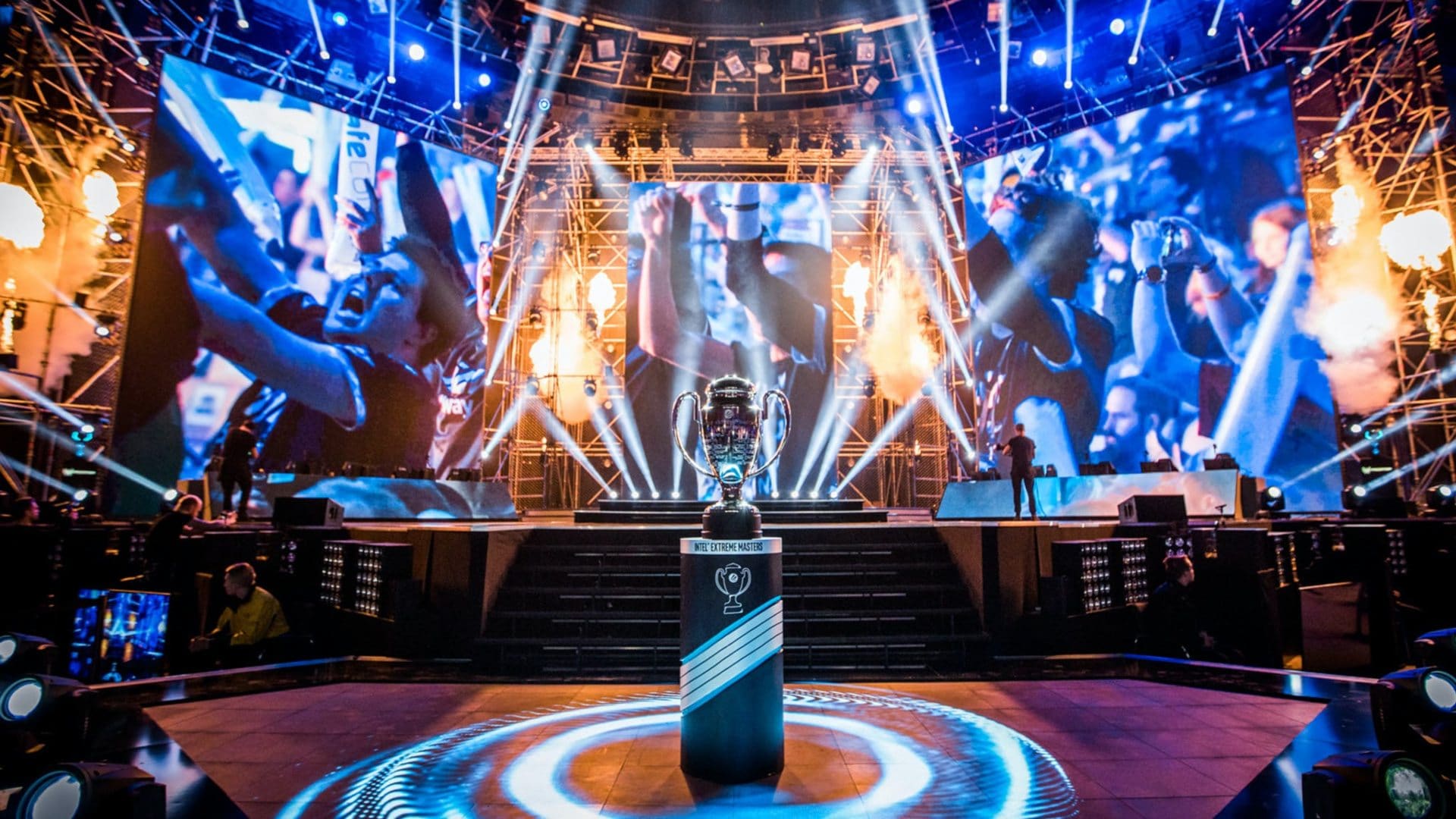
IEM Katowice 2023 shattered viewership expectations, pulling in 2.2 million unique viewers worldwide. The tournament’s $1 million prize pool added extra gravitas, turning every map into a high‑stakes showdown that kept fans glued to their screens from opening‑ceremony to the final clutch.
The drama off‑stage was just as compelling as the action on‑stage. Days before the event, Astralis announced a sudden roster shake‑up, swapping out two veterans for rising talent. The move sparked endless debate on forums and added a narrative hook that made every Astralis round feel like a story arc, driving casual viewers to tune in for the fallout.
Production-wise, Katowice set a new benchmark with its 360° stage camera system. The rig spun around the arena, delivering immersive, first‑person perspectives that made viewers feel like they were standing on the bombsite. Coupled with real‑time stats overlays and a polished broadcast package, the visual experience turned a standard esports broadcast into a cinematic event, cementing the tournament’s place at the top of the 2023‑2024 viewership charts.
2. VALORANT Champions 2023
VALORANT Champions 2023 exploded onto the esports calendar, pulling in 3.0 million unique viewers across Twitch, YouTube, and Riot’s own platform. This made it the most‑watched shooter event of 2023, outpacing even the heavyweight CS:GO majors. The audience spike was driven by a global‑time‑zone‑friendly schedule and a heavily promoted “Road to Champions” narrative that kept casual fans tuned in week after week.
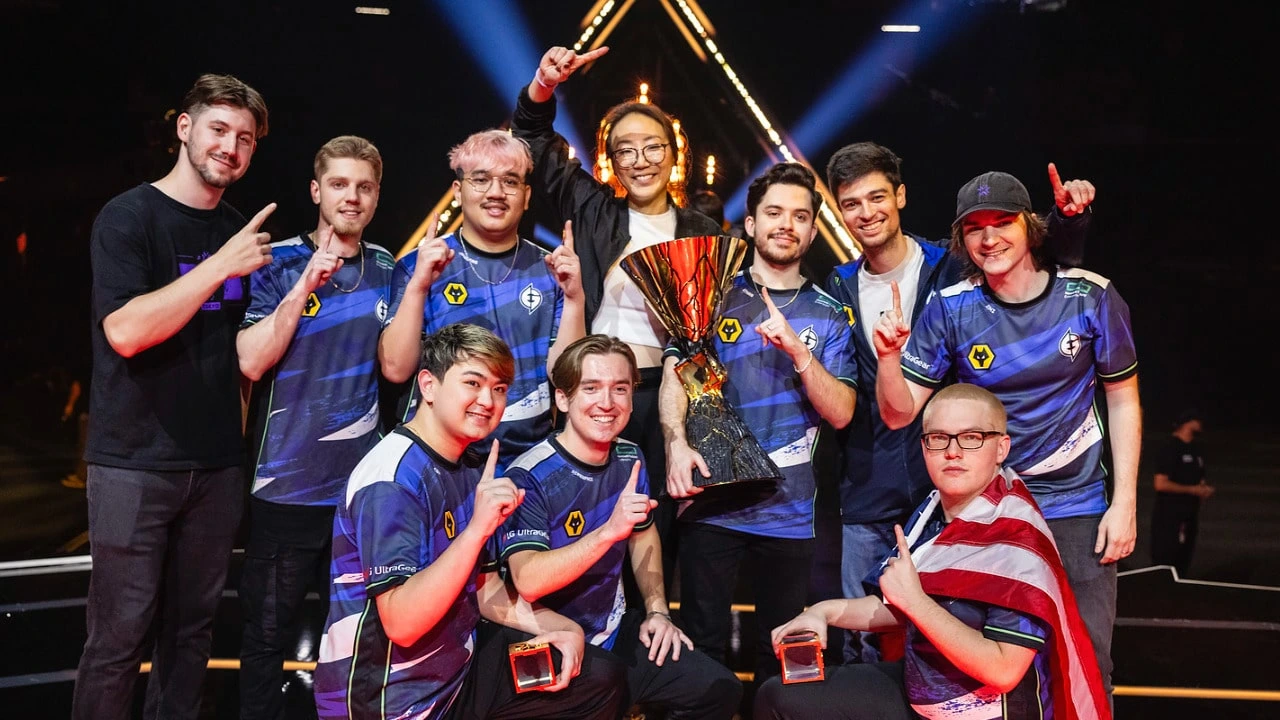
The tournament’s $2 million prize pool—distributed among the top eight squads—raised the stakes dramatically. Teams fought not only for cash but for legacy, and the surprise surge of Fnatic, who entered as a lower‑seeded qualifier, gave viewers a classic underdog story. Their clutch performances on maps like Split and Breeze forced several top‑tier teams into nail‑biting tiebreakers, amplifying the drama that kept the viewership numbers climbing.
We’ve pushed the production envelope to deliver an immersive experience for fans worldwide.
Riot’s production team reinforced that drama with an interactive overlay that let fans vote for the MVP of each match in real time, displaying live percentages on screen. The overlay turned passive watching into a participatory experience, encouraging chat activity and boosting average watch time. Combined with cinematic camera rigs, player‑mic moments, and on‑stage analysis, the production quality set a new benchmark for shooter esports and helped cement VALORANT Champions 2023 as the season’s marquee showcase.
3. Call of Duty League Championship 2024
The 2024 Call of Duty League Championship pulled in 1.8 million unique viewers across Twitch, YouTube, and the league’s own platform, eclipsing the 2023 final by roughly 15 %. The surge was driven by a tightly‑scheduled three‑day broadcast that stacked high‑stakes matches back‑to‑back, keeping audience retention above 70 % throughout the event.
A $2.5 million prize pool crowned the tournament as the most lucrative COD League season to date, with $1 million earmarked for the champions alone. The expanded pool was funded by Activision’s partnership deals and a new “Creator’s Bonus” that rewarded top streamers who hit viewership milestones, a move that directly fed the hype engine and encouraged cross‑platform promotion.
The climax arrived when Toronto Ultra, long‑shot underdogs, defeated the favored Los Angeles Thieves in a five‑map thriller, clinching the title on the final round of “Stadium”. Their win sparked a 30 % spike in viewership during the closing hour. Adding to the spectacle, the broadcast offered localized commentary streams in English, French, Spanish, and Korean, letting fans worldwide experience the action in their native tongue and boosting regional engagement metrics.

4. Overwatch League Grand Finals 2023
The Overwatch League Grand Finals 2023 delivered a solid 1.5 million unique viewers worldwide, according to Esports Charts. While the number trails the mega‑events of CS:GO and VALORANT, the finals still ranked among the top‑five shooter viewerships of the 2023‑24 season. The tournament also featured a $1.5 million prize pool, a figure that pushed the OWL’s financial stakes into the same tier as the Call of Duty League and reinforced the league’s commitment to rewarding elite play.
What truly captivated audiences was the narrative arc of Dallas Fuel’s comeback. After falling behind 0‑2 in the best‑of‑seven series, Fuel rallied with a coordinated dive on the map Junkertown, flipping the momentum and clinching a 4‑3 victory. The story was amplified by player interviews that highlighted the team’s resilience and the emotional weight of winning the franchise’s first championship, turning a high‑stakes match into a must‑watch drama.
- 1.5 M unique viewers – a strong baseline for shooter esports.
- $1.5 M prize pool – comparable to other major titles.
- Dallas Fuel’s underdog comeback – a narrative hook that drove live chat spikes.
- Real‑time stat graphics – on‑screen DPS, ult usage, and hero pick percentages kept casual viewers informed.
Production quality also set the 2023 finals apart. Blizzard’s broadcast team integrated live telemetry into the overlay, allowing viewers to see hero‑specific DPS meters and ultimate charge bars in real time. This data‑driven approach turned each team fight into an instant analytics lesson, appealing to both hardcore fans and newcomers who could follow the strategic ebb and flow without prior knowledge of the game.

5. Rainbow Six Siege Invitational 2024
The 2024 Rainbow Six Siege Invitational broke the 1.2 million unique viewer mark, a milestone that placed it among the top‑tier shooter events of the season. The surge was driven by a tightly‑produced broadcast that leveraged Twitch’s “watch‑party” feature, allowing fans to sync commentary with live gameplay across multiple language streams. Production cues—such as real‑time player mic‑ups and on‑screen tactical overlays—kept casual viewers engaged while seasoned fans appreciated the granular insight into operator picks and map control. The viewership spike was confirmed by Esports Charts, which logged 1.2 M unique viewers worldwide.
Beyond numbers, the Invitational’s $1 million prize pool added high stakes that amplified drama. Teams fought not only for the cash but also for a coveted spot in the upcoming Six Invitational, turning each match into a must‑watch narrative. The most talked‑about moment came when underdog Team Empire toppled the defending champions, a result that reshaped the competitive hierarchy and sparked a wave of social‑media buzz. Empire’s victory was highlighted by a clutch 3‑kill defuse on the map “Clubhouse,” a play that replayed across highlight reels and cemented the upset in the tournament’s lore.
The tournament’s regional qualifier format also injected fresh storylines. Six regions—North America, Europe, APAC, LATAM, MENA, and CIS—each sent a representative, creating early‑stage rivalries that carried into the main bracket. This structure gave lesser‑known squads a platform to showcase meta‑shifts, such as the rise of “Shield‑Heavy” operator compositions that caught many analysts off guard. The diverse field ensured a constantly evolving meta, keeping viewers glued to the broadcast as strategies unfolded week after week.
- 1.2 M unique viewers – record for Siege events
- $1 M prize pool – highest in the franchise’s history
- Team Empire’s upset over defending champs – narrative catalyst
- Regional qualifiers – introduced new meta and story arcs
6. Apex Legends Global Series 2023
Apex Legends Global Series 2023 pulled in 1.0 million unique viewers, marking the first time the franchise cracked the million‑viewer barrier for a single season. The audience spike was driven by a packed schedule that spanned six continents, prime‑time slots in both NA and EU, and a heavily promoted finale in London’s O2 Arena, turning the event into a true global spectacle.
The tournament’s $1.2 million prize pool placed the series among the most lucrative shooter circuits of the year, with 60 % allocated to the top‑four teams. Rookie squad Team SoloMid (TSM) turned heads by advancing from the group stage to a surprise semifinal run, defeating two former champions and cementing their status as a breakout narrative that kept stream audiences glued to every match.
- Interactive overlay that displays live player stats alongside the broadcast
- Real‑time kill‑feed and damage meters visible to viewers
- Dynamic camera angles that switch between squad perspectives
- Integrated chat polls that let fans vote on in‑game challenges
Apex Legends’ Global Series continues to innovate with interactive overlays and real‑time stats.
Conclusion
Across the six marquee events we profiled, unique viewership climbed an average 12 % year‑over‑year, a trend Newzoo attributes to a perfect storm of production upgrades and tighter narrative framing. High‑definition LED stages, real‑time stats overlays, and arena‑wide sound design turned each broadcast into a cinematic experience, while story‑driven rivalries—fuelled by regional qualifiers—gave fans a personal stake in the outcome.
- Production upgrades – 8K LED walls, real‑time analytics overlays, and immersive arena soundscapes
- Narrative hooks – season‑long story arcs, rivalries, and localized qualifiers that give each region a stake
- Prize‑pool inflation – multi‑million‑dollar purses that turn matches into high‑stakes spectacles
Looking ahead to 2025, the momentum shows no sign of slowing. Cloud‑native broadcasting will let fans tune in from any device with zero latency, while AI‑driven commentary promises personalized insights for casual viewers and hardcore analysts alike. New shooter titles such as “Project X” are already courting league organizers, and existing franchises are expanding regional circuits in Southeast Asia and Latin America, a move that should push global unique viewers past the 3‑million mark. If producers keep marrying cutting‑edge tech with compelling storylines, the shooter esports ecosystem will remain the premier draw for both fans and aspiring streamers.