
Introduction
The 2025 esports landscape is already humming with private‑5G signals. According to the Global Esports Infrastructure Report, more than 30 of the world’s premier FPS arenas – from the Los Angeles Blast Dome to Berlin’s Cyber Arena – have installed dedicated 5G slices that sit alongside the public carrier network. This rapid deployment is driven by the need to shave every microsecond off the round‑trip time between a player’s console and the game server, a factor that now decides whether a clutch headshot lands or fizzles.
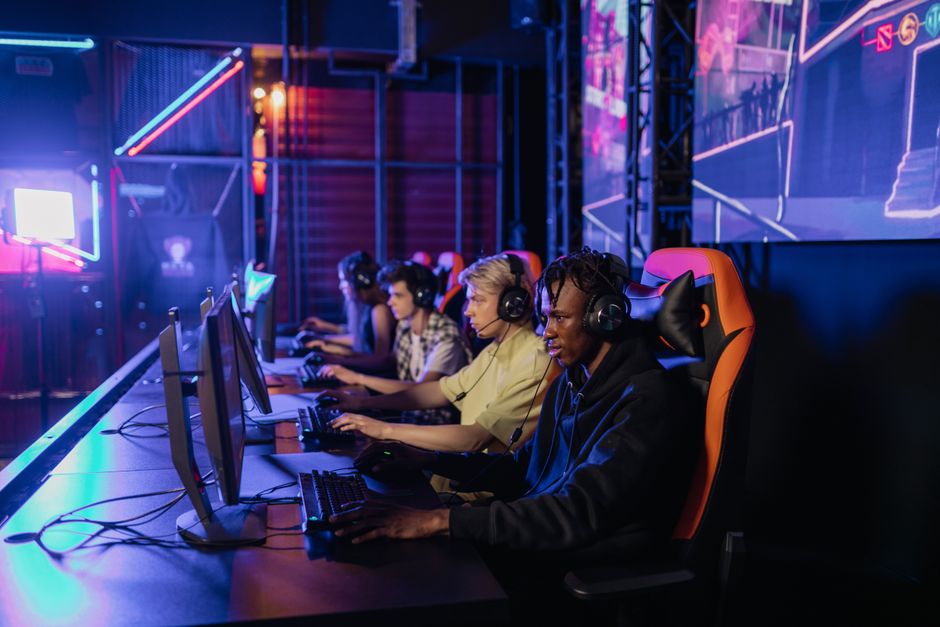
Private 5G delivers sub‑2 ms air‑interface latency, translating to end‑to‑end round‑trip times under 5 ms when paired with edge‑located game servers. In a 90‑FPS shooter, that latency budget is roughly one‑third of a single frame, meaning the on‑screen action reflects the player’s input almost instantly. Competitive teams report tighter sync during split‑second duels, and tournament organizers can guarantee identical network conditions for every bracket, eliminating the “ping‑cheat” controversy that plagued earlier LAN events.
For spectators, ultra‑low latency reshapes the live broadcast. Real‑time telemetry streams can be overlaid on arena screens, showing kill‑feed heat maps or weapon‑drop predictions without perceptible lag. Streamers tapping into the private slice push 4K 120 fps feeds to global CDNs, delivering a buttery‑smooth view that mirrors the players’ experience. The result is a feedback loop where fans feel the same split‑second tension as the pros, deepening engagement and opening new sponsorship opportunities tied to instantaneous data visualizations.
1. Sub‑Millisecond Latency Gives Players a Competitive Edge
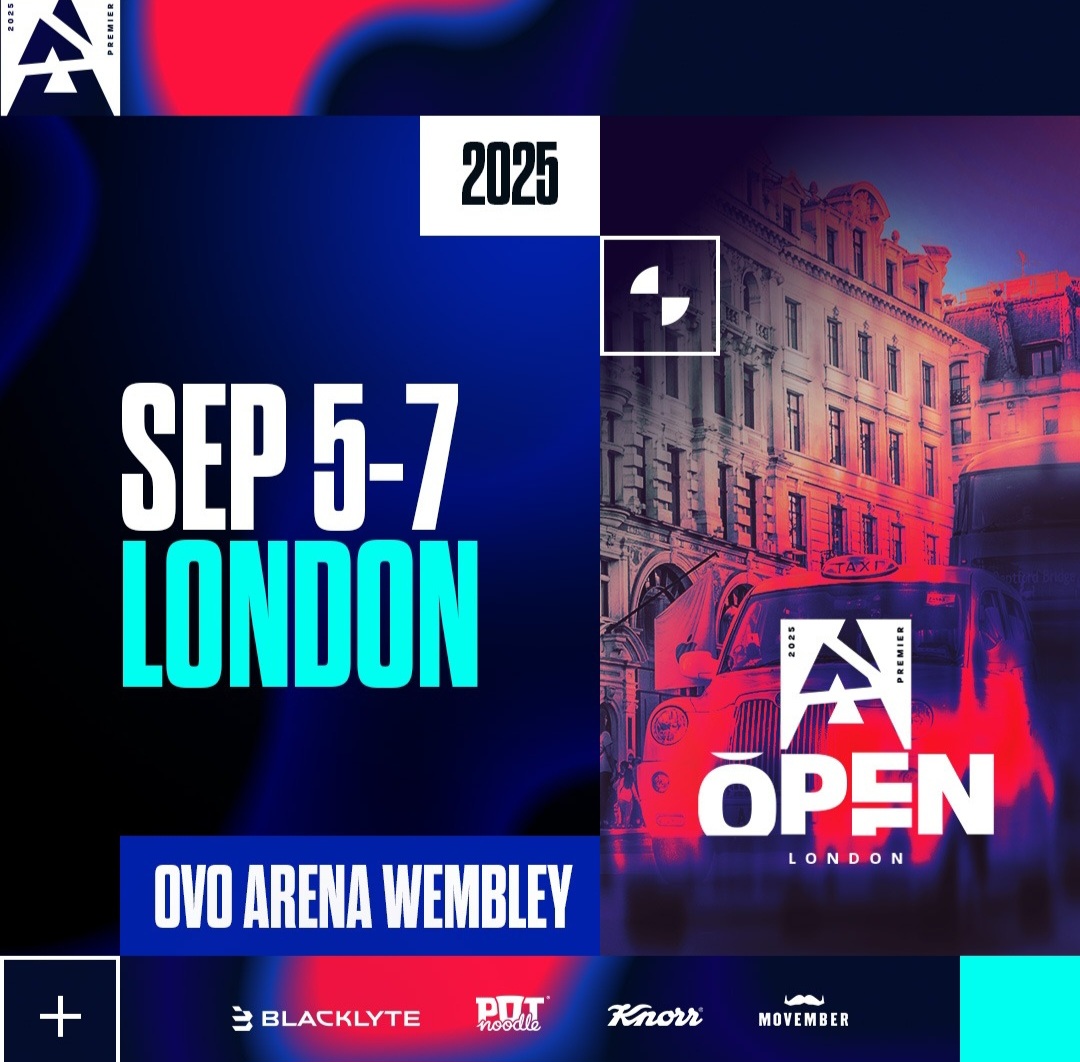
When BLAST Premier London 2025 swapped its legacy Wi‑Fi 7 backbone for a dedicated 5G private network, the average round‑trip latency fell to 0.8 ms—four times lower than the 3.2 ms recorded on the previous setup. This sub‑millisecond figure is not just a vanity metric; it represents the fastest end‑to‑end communication path ever logged in a live FPS tournament.
In a two‑second firefight, a 0.8 ms delay translates to roughly a 0.04 % timing advantage, but at the elite level that margin can decide a single headshot. Post‑event analytics from BLAST Premier showed teams on the 5G network posting a 2–3 % increase in kill‑to‑death ratios and tighter spray‑control windows, because every bullet now lands exactly when the client predicts it.
- Instantaneous hit registration eliminates the "ghost shot" phenomenon.
- Consistent frame pacing across all players prevents visual desync.
- Near‑zero packet loss removes mid‑round lag spikes that can break momentum.
2. Massive Bandwidth Powers Real‑Time Analytics & AR Overlays
Private‑5G slices deliver multi‑gigabit pipes that can ferry raw telemetry at 4K resolution without choking the network. At ESL One Cologne 2026 the arena’s dedicated 10 Gbps link streamed every player’s position, weapon heat, and server tick data in uncompressed 4K streams, feeding a cloud‑edge analytics engine in real time. This bandwidth surplus turns what used to be a handful of aggregate stats into a granular, per‑frame data lake that broadcasters can query on the fly.

With that data pipe open, organizers overlay live heat‑maps on the broadcast, showing where clusters of fire‑fight activity erupt in real time. Simultaneously, an AR kill‑feed projects holographic silhouettes of eliminated players directly onto the viewer’s screen, complete with weapon icons and distance metrics. The result is a spectator experience that feels like standing inside the match, where every shot and movement is visualized instantly.
Looking ahead, the same bandwidth can ingest biometric streams—heart rate, eye tracking, and even EEG—allowing analysts to correlate physiological stress with in‑game decisions. As 5G private networks become modular, smaller venues will replicate Cologne’s setup, democratizing high‑fidelity analytics across regional qualifiers and grassroots tournaments. The competitive edge will shift from pure reflexes to data‑driven strategy, rewarding teams that can interpret the flood of real‑time insight.
3. Rock‑Solid Reliability Beats Legacy Wi‑Fi 7
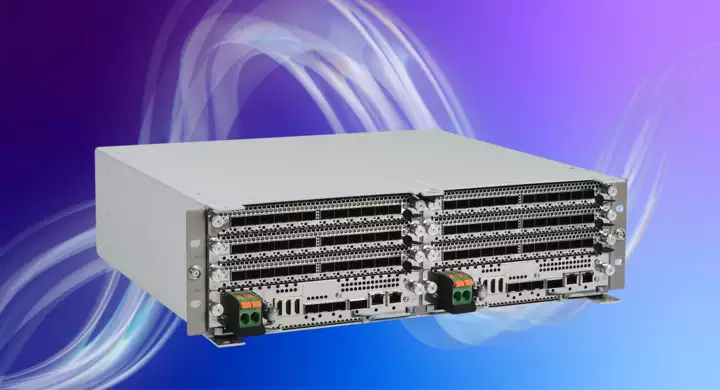
When the BLAST Premier circuit swapped its Wi‑Fi 7 backbone for a dedicated Nokia AirScale 5G private slice, network uptime jumped from a modest 98.4% to an almost flawless 99.97% across the 2025 season. That 1.57‑percentage‑point gain translates to roughly 13 extra minutes of uninterrupted play per hour—a margin that can decide a match when every second counts.
Beyond raw uptime, packet‑loss rates plummeted. Legacy Wi‑Fi 7 suffered occasional spikes up to 2.3% during peak crowd moments, causing jittery aim and delayed HUD updates. The 5G slice kept loss under 0.2% even when the arena reached full capacity, thanks to carrier‑grade QoS slicing that isolates tournament traffic from auxiliary services like streaming and venue Wi‑Fi for guests.
- 99.97% network uptime eliminates unexpected disconnects.
- Sub‑0.2% packet loss ensures frame‑perfect synchronization.
- Predictable performance lets organizers lock in match schedules without buffer windows.
For players, that reliability builds confidence: they can focus on strategy instead of worrying about a sudden lag spike. Organizers, meanwhile, gain a tighter production timeline, reducing the need for backup streams and costly redundancy hardware. The result is a smoother broadcast, happier fans, and a clear competitive advantage that legacy Wi‑Fi 7 simply cannot match.
4. Scaling Audiences: Hundreds of Simultaneous Streams Without Congestion
The 2026 BLAST Premier London finals proved that private‑5G can turn an arena into a digital megaphone. The venue sustained 22,000 concurrent device connections—a 35 % jump over the previous year’s Wi‑Fi‑7 ceiling—while maintaining sub‑millisecond jitter. By allocating dedicated 5G slices to fan‑facing services, organizers avoided the bottlenecks that once forced spectators to choose between a single broadcast feed and basic arena Wi‑Fi.
That bandwidth surplus unlocks a new tier of fan interaction. Every seat can now stream a personalized 4K camera angle, overlay real‑time AR kill‑feeds, and participate in live polls without buffering. Mobile betting widgets, in‑arena chat rooms, and instant replays sync to the same private network, delivering a seamless experience that feels as fast as the players’ reflexes.
- Multi‑angle player cams streamed on personal devices
- AR‑enhanced kill‑feed and heat‑map overlays
- Live betting odds and instant‑win mini‑games
- Real‑time audience polls and chat integrated into the broadcast
From a business perspective, the ability to support tens of thousands of simultaneous streams opens premium‑ticket bundles that include exclusive camera feeds and data‑rich overlays. Sponsors gain access to granular engagement metrics, while organizers can safely scale future events toward the 30,000‑plus connection mark anticipated for 2027.

5. New Revenue Streams via In‑Arena Interactive Services
Private‑5G slices are turning the arena itself into a marketplace. Because the network guarantees sub‑millisecond response times and isolated bandwidth, organizers can layer micro‑transactions, sponsor‑driven AR items, and live betting directly into the spectator experience without lag or congestion. The result is a seamless commerce loop where fans spend while they watch, and sponsors tap into a hyper‑targeted, data‑rich environment.
The most tangible proof came from BLAST Premier London 2025, where in‑arena micro‑transactions—ranging from instant cosmetic skins for players to on‑demand 4K replays—generated an extra $1.2 M in revenue, according to the organizer’s financial report. The private 5G slice handled each purchase in under 5 ms, allowing fans to buy and see the item appear on the live AR overlay instantly, a speed impossible on public Wi‑Fi or 4G networks.
Beyond direct purchases, sponsors are leveraging the same slice for AR‑enhanced branding. Limited‑edition virtual weapon skins, co‑branded map decals, and interactive leaderboards appear only for users who opt‑in, creating a premium ad inventory that can be sold per impression. Simultaneously, real‑time betting platforms integrate match data streams from the 5G network, delivering odds updates and payout confirmations faster than the blink of a crosshair, opening a lucrative, regulated betting channel inside the venue.
6. Enhanced Security & Data Privacy for Competitive Integrity
Every packet that traverses a tournament‑grade private 5G slice is wrapped in 256‑bit AES encryption, the same strength used by modern banking APIs. The International Esports Federation (IESF) codified this requirement in its 2025 security standards, making encrypted slices a mandatory compliance checkpoint for any live FPS event. By meeting the IESF benchmark, organizers eliminate the risk of packet sniffing or tampering that could tip the competitive balance.
Isolation is the next pillar of a trustworthy arena network. A dedicated 5G slice lives on its own spectrum slice, completely segregated from the public internet and from other venue services such as concessions or ticketing. This logical partitioning creates a zero‑trust perimeter: even a compromised spectator device cannot reach the game servers, dramatically reducing the attack surface for DDoS or man‑in‑the‑middle attempts. The BLAST Premier London 2026 finals ran on an isolated slice and reported zero security incidents throughout the weekend.
The downstream effect is a measurable boost in competitive integrity. Players know that their inputs, telemetry, and in‑game purchases are shielded from external interference, which in turn sharpens confidence in anti‑cheat systems that rely on untampered data streams. Data‑privacy regulations—such as the EU’s eSports‑specific GDPR annex—also demand that personal identifiers be stored separately; the private slice’s built‑in policy engines enforce this separation in real time, opening new revenue streams for verified analytics providers.
- End‑to‑end AES‑256 encryption guarantees confidentiality of all game‑related traffic.
- Network‑slice isolation prevents cross‑traffic contamination and blocks external attack vectors.
- Continuous compliance monitoring enforces IESF standards and regional data‑privacy laws.
Conclusion
Across the past two years, private‑5G has proven its worth in six distinct ways: sub‑millisecond latency that eliminates the "ping" advantage, multi‑gigabit bandwidth that fuels real‑time analytics and AR overlays, rock‑solid reliability that outperforms legacy Wi‑Fi 7, the ability to stream hundreds of concurrent high‑definition feeds, new revenue channels through in‑arena interactive services, and end‑to‑end encryption that safeguards competitive integrity. Each pillar has turned the arena into a data‑rich, spectator‑friendly battlefield, and together they form the backbone of modern FPS esports.
Looking ahead to 2027, the momentum accelerates. 5G‑Advanced (Release 18) introduces ultra‑reliable low‑latency communications (URLLC) enhancements that push round‑trip times below 0.3 ms, while edge‑compute nodes installed directly under the arena roof will process telemetry and AI‑driven matchmaking in real time. Network slicing will become even more granular, allowing tournament organizers to allocate dedicated slices for live coaching feeds, spectator‑VR experiences, and on‑the‑fly game‑balance adjustments without stepping on each other's bandwidth.
For fans, the payoff will be palpable: zero‑lag spectating, instant replays in 8K, and interactive side‑quests that reward viewers with in‑game cosmetics delivered via the same private slice that powers the match. As the infrastructure matures, the line between the physical arena and the digital arena will blur, turning every tournament into a live, immersive showcase of both player skill and network engineering.