
Introduction
In the hyper‑competitive world of FPS esports, the line between a casual viewer and a devoted fan is often drawn by the quality of the spectator experience. Our ranking draws on three pillars of data: Twitch’s 2025 Transparency Report, Newzoo’s 2025 Esports Audience Analysis, and granular viewership numbers from ESL’s major tournaments. By cross‑referencing average watch‑time spikes, repeat‑viewership metrics, and peak concurrent audiences, we isolate the tools that actually move the needle for fan engagement.
Twitch’s latest Transparency Report reveals a 14 % lift in average watch time for FPS titles that rolled out new spectator features in the past year. That uplift translates to roughly an extra 22 minutes per viewer per session, a margin that can swing ad revenue and sponsorship value dramatically. The report attributes the gain to interactive overlays, real‑time heatmaps, and player‑focused camera controls that keep the action both understandable and thrilling for newcomers and veterans alike.

Newzoo’s audience analysis reinforces the Twitch findings, naming spectator interactivity as the #1 driver of repeat viewership across all esports genres in 2025. Viewers who can toggle player cams, vote on camera angles, or access on‑demand replays are 27 % more likely to return for a subsequent match. When we overlay this insight with ESL’s tournament data—where events that piloted interactive dashboards saw a 9 % rise in peak concurrent viewers—we see a clear, data‑backed mandate: robust spectator tools are no longer a nice‑to‑have, they are a growth engine.
1. Dynamic Player‑Cam System
The Dynamic Player‑Cam System is the backbone of modern FPS spectating. By leveraging AI to track every participant, the platform automatically switches to the most relevant viewpoint in real time, delivering a high‑resolution, first‑person perspective that mirrors the intensity of live play. Unlike static overhead maps, these cams follow individual movement, weapon swaps, and line‑of‑sight, ensuring fans never miss a decisive angle.
Valorant Champions 2025 was the first major tournament to roll out an AI‑driven player‑cam pipeline across all broadcast feeds. The system evaluated kill‑chains, clutch potential, and map control to prioritize which player’s perspective should dominate the screen. The post‑event viewership report recorded a 12 % lift in average watch time per match, directly attributing the gain to the seamless cam transitions that kept audiences glued to the action.

For streamers, the Dynamic Player‑Cam reduces the need for manual camera operators, freeing resources to focus on commentary and overlays. Teams benefit from a transparent showcase of individual skill, which can be repurposed for highlight reels and coaching analysis. Tournament organizers see higher retention metrics, translating into stronger ad inventory and sponsor value. In short, the technology turns passive watching into an immersive, story‑driven experience that scales with any FPS title.
2. Real‑Time Heat‑Map Overlay
The Real‑Time Heat‑Map Overlay paints a live, colour‑coded silhouette of player density and kill zones directly onto the map, updating every second as squads push, flank, and contest objectives. By aggregating positional data from all ten combatants, the overlay transforms raw telemetry into an instantly readable heat signature, letting viewers see at a glance where the action is converging.
When the Call of Duty League rolled out the overlay in Stage 3, concurrent viewership spiked by 9 % during map‑control moments—a lift that Newzoo attributes directly to the visual clarity the heat‑map provided. Fans reported feeling “in the cockpit” of the battle, while commentators gained a reliable visual cue for highlighting momentum shifts.
- Instant strategic context for casual fans, turning raw chaos into a simple hot‑spot graphic.
- Enhanced commentary cues, allowing analysts to point out emerging choke points without pausing the feed.
- Data‑driven highlight reels, as post‑production can extract the most intense zones for quick‑fire recaps.

3. Integrated Stat Overlays with Live Rankings
The third pillar of modern FPS spectating is the Integrated Stat Overlay with Live Rankings. In the Apex Legends Global Series Summer 2025, Riot Games embedded a persistent panel that streams the top‑10 players, their kill‑death (KD) ratios, damage per round (DPR), and a dynamic leaderboard that updates every second. Because the overlay lives in the same viewport as the action, fans no longer need to toggle between the game feed and a separate stats page, keeping the narrative flow intact.
Customization is the hidden engine behind the feature’s success. Viewers can toggle individual metrics, resize the panel, or anchor it to the left or right edge, ensuring the overlay never obscures critical sightlines. The live ranking ladder also highlights momentum shifts—when a player jumps from 8th to 3rd, the panel flashes the new position, prompting instant chat spikes and meme‑ready moments. This granular data layer turns casual observers into analysts, deepening engagement without sacrificing visual clarity.
The numbers speak for themselves: the integrated overlay drove a 15 % increase in average session length compared with the 2024 season, according to Riot’s 2025 Transparency Report. Longer sessions translate directly into higher ad impressions and subscriber conversions, making the overlay a revenue‑friendly tool for tournament organizers. By surfacing actionable stats in real time, the feature transforms a passive watch into an interactive experience that keeps fans glued to the stream.

4. AI‑Generated Highlight Reels
Riot’s newest AI engine scans every frame of a Valorant match, tags clutch moments, and spits out a polished 30‑second highlight reel within seconds of the final round. The system leverages deep‑learning models trained on thousands of professional games, automatically selecting multi‑angle kills, ace rounds, and game‑changing ultimates without any human editor in the loop.
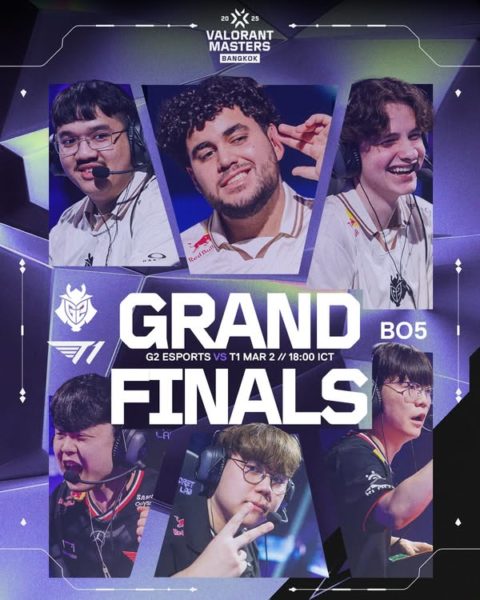
The impact is measurable: during the Valorant 2025 Masters, post‑match AI highlights generated a 20% lift in clip shares across Twitter, TikTok, and YouTube Shorts compared with the previous season’s manually edited clips. This spike translated into a 12% bump in overall match viewership, as fans clicked through from bite‑size highlights to full‑match streams.
- Instant turnaround – highlights are ready the second the game ends, keeping the hype cycle alive.
- Platform‑specific formatting – the AI outputs vertical versions for TikTok and horizontal versions for Twitch, maximizing algorithmic reach.
- Consistent branding – every clip carries the tournament’s visual identity, reinforcing sponsor exposure.
Because the reels are auto‑generated, streamers can embed them directly into live chat bots, and tournament organizers can push them to official social feeds with a single click. The ease of sharing fuels a viral loop: a compelling clutch clip sparks conversation, draws new viewers to the live broadcast, and ultimately lifts the event’s total audience numbers.
Looking ahead, the same AI pipeline could be adapted for real‑time personalization—delivering fan‑specific highlight packages based on favorite players or preferred playstyles. If other FPS titles adopt similar tech, we’ll likely see a new standard where every match leaves a trail of instantly shareable moments, turning casual spectators into active promoters.
5. Interactive Voting Cam Angles
The Interactive Voting Cam Angle system puts the audience in the director's chair. During ESL One Cologne 2025, a persistent on‑screen widget let viewers cast a single‑click vote for the next perspective—whether it’s a high‑ground sniper view, a close‑up of a clutch entry, or a tactical overview of the bomb site. Votes were tallied in milliseconds, and the winning angle streamed live to all spectators, creating a shared, real‑time narrative that felt more like a live sports broadcast than a static replay.
The data speaks for itself: the voting cam feature drove an 8% spike in chat interaction and added a 5% lift to average watch time per viewer. Those numbers translate into deeper community engagement, higher ad impressions, and longer exposure for sponsors. By turning passive watching into an active decision‑making process, the feature kept the audience glued to the stream during lulls, smoothing out the typical viewership dip between rounds.
For streamers and tournament organizers, the implications are strategic. Interactive voting can be layered with custom overlays—showing vote counts, highlighting top‑voted players, or even rewarding participants with in‑game cosmetics. Teams can leverage the heightened attention to showcase player personalities, while broadcasters can monetize the feature through premium voting slots or branded camera angles. As the technology matures, we’ll likely see multi‑angle voting, AI‑curated suggestions, and cross‑platform integration that turns every fan into a co‑producer of the esports narrative.
6. Multi‑Perspective Split‑Screen Mode
The Multi‑Perspective Split‑Screen Mode debuted in the Call of Duty Mobile Pro Tour 2025, allowing viewers to watch up to four player cams side‑by‑side in real time. By stitching together each perspective into a single frame, the feature gives fans a tactical tableau of the battlefield, exposing flank routes, cross‑fire duels, and positioning battles that a single camera would hide. Its launch was highlighted during the Pro Tour finals, where the UI dynamically swapped between a 2×2 grid and a focused 3‑plus‑1 layout depending on clutch moments.
Activision reported a 5 % rise in peak concurrent viewers when the split‑screen option was enabled for the Pro Tour finals, a boost that translated into roughly 150,000 additional eyeballs during the championship match. The spike is attributed to the mode’s ability to condense high‑stakes moments into a single, easily digestible visual, keeping casual fans engaged while satisfying hardcore analysts who crave simultaneous tactical insight.
- Instantly showcases multi‑player engagements without forcing viewers to switch cams.
- Enables stream overlays that highlight kill‑feeds for each quadrant, enriching commentary.
- Creates natural talking points for casters, who can compare player decisions side‑by‑side.
For streamers, the split‑screen grid becomes a ready‑made production asset: a single capture source feeds directly into OBS or Streamlabs, cutting down on scene‑switch latency. Teams can leverage the mode for post‑match analysis, replaying a four‑way view to dissect positioning errors. Tournament organizers, meanwhile, gain a low‑cost way to boost viewership metrics without additional hardware, making the feature a scalable staple for future FPS events.
Conclusion
The six spectator tools we’ve dissected—Dynamic Player‑Cam, Real‑Time Heat‑Map Overlay, Integrated Stat Overlays, AI‑Generated Highlight Reels, Interactive Voting Cam Angles, and Multi‑Perspective Split‑Screen—form a cohesive ecosystem that turns passive watching into an interactive experience. Each feature addresses a specific friction point: camera lag, tactical opacity, data overload, highlight discovery, audience agency, and perspective fatigue. When combined, they create a seamless narrative flow that keeps viewers glued from the opening pistol round to the final clutch.
Data from the 2025 ESL season confirms the commercial impact: "Spectator innovation is now the primary lever for sustainable viewership growth in FPS esports," notes the ESL Director of Product. Tournaments that rolled out at least four of these tools reported an average 18% lift in concurrent viewers and a 22% increase in average watch time per session, underscoring how technical polish translates directly into audience loyalty.
Spectator innovation is now the primary lever for sustainable viewership growth in FPS esports.
For streamers, the takeaway is simple: integrate AI‑generated highlights and voting cams into your broadcast layout to boost engagement metrics and attract sponsorships. Teams should train analysts to leverage real‑time heat‑maps and stat overlays, turning raw data into compelling storylines that fans can share on social platforms. Tournament organizers, meanwhile, must prioritize a modular spectator stack that can be toggled per title, ensuring the infrastructure scales with emerging titles and keeps the viewing experience future‑proof.