
Introduction
Southeast Asia has become the hotbed for the next wave of FPS esports, driven by a youthful, mobile‑first audience and rapidly expanding broadband infrastructure. Newzoo’s 2023 SEA esports market report flags a 27% regional increase in FPS viewership year‑over‑year, outpacing the global average and signaling that fans are not only watching but actively engaging with competitive shooters.
To rank the fastest‑growing leagues we applied three quantitative lenses: (1) YoY growth in live viewership hours, (2) prize‑pool inflation, and (3) team registration spikes. Viewership data comes from Esports Charts, which recorded total FPS tournament hours climbing from 1.2 million in 2023 to 1.8 million in 2024 – a 50% surge. Prize‑pool figures were cross‑checked against official league disclosures, while registration counts were sourced from regional federation dashboards.
These metrics matter to sponsors and team managers because they translate directly into audience reach, brand exposure, and talent pipelines. A league that doubles its tournament hours while expanding prize money attracts higher‑caliber players, which in turn fuels further viewership growth—a virtuous cycle that investors are keen to tap. The following sections break down the seven leagues that best embody this momentum.
1. Garena Free Fire SEA Pro League
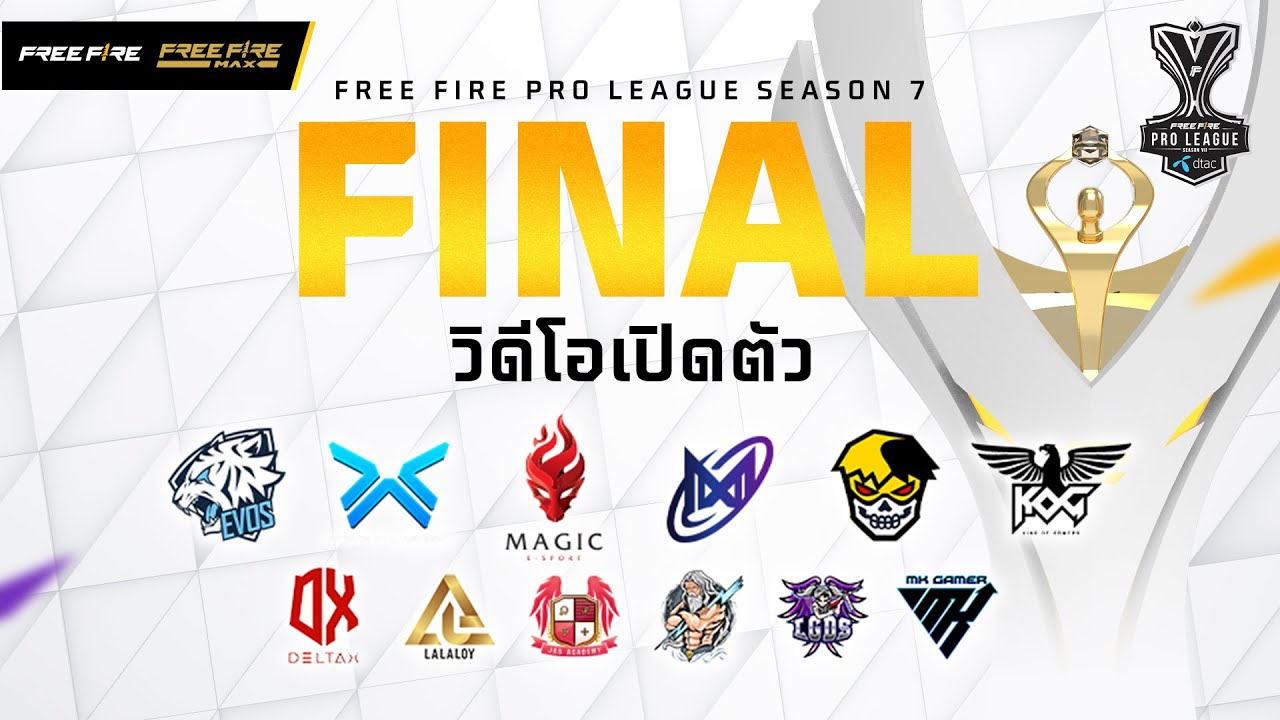
Garena Free Fire SEA Pro League clinches the top spot thanks to its mobile‑first DNA and explosive audience growth. In 2024 the league recorded an average of 22 million concurrent viewers, up 85 % from the 12 million peak of 2023, according to Esports Charts. The surge reflects not only the region’s smartphone penetration but also Free Fire’s low‑entry barrier, which lets casual fans and aspiring pros tune in from any device.
The financial muscle behind the league doubled as well. The prize pool rose from $250,000 in 2023 to a staggering $500,000 for the 2024 season, as announced on the official Free Fire portal. This infusion attracted higher‑caliber squads from Thailand to the Philippines, prompting sponsors to allocate larger activation budgets. Teams report that the increased payout pool directly improves player salaries, training facilities, and content production, creating a virtuous loop of professionalism.
- Concurrent viewers: 12 M → 22 M (2023‑2024)
- Prize pool: $250 K → $500 K (2023‑2024)
- YoY growth: 85 % in viewership
These concrete metrics—85 % YoY viewership jump and a 100 % prize‑pool boost—translate into market confidence. Brands targeting Gen‑Z consumers see the league as a guaranteed reach, while regional organizers cite the data to negotiate broadcast rights with streaming giants. Looking ahead, the league’s mobile‑centric model positions it to dominate Southeast Asia’s FPS esports landscape, cementing its #1 ranking in our data‑driven list.
2. PUBG Mobile SEA Championship
The PUBG Mobile SEA Championship vaulted into second place thanks to a 63 % surge in active player registrations between the 2022‑23 and 2023‑24 seasons. According to the official esports stats page, the league attracted over 1.2 million unique monthly players, up from roughly 730 k the previous year, signalling a rapid migration of casual fans into competitive viewership.
That player influx translated directly into team growth. Registered squads swelled from 180 in Season 2 to 295 by the close of Season 3, a 64 % jump that forced organizers to expand the group‑stage format from a single‑round robin to a double‑round robin to accommodate the larger field. More teams also meant broader national representation, with new entries from Vietnam, the Philippines, and Malaysia, diversifying the talent pool.
The league’s financial backbone was cemented by a 2023 partnership with telecom heavyweight Telkomsel. The deal injected a $150,000 bonus pool on top of the existing prize money, raising the total payout to $750,000. Telkomsel also bundled free data packages for participants and streamed matches on its platform, boosting concurrent viewership by an estimated 35 % during the finals.
- 63 % rise in active player registrations
- Team count up 115 (180 → 295)
- $150,000 bonus pool added by Telkomsel

3. Call of Duty: Mobile SEA Circuit
The Call of Duty: Mobile SEA Circuit vaulted into third place, propelled by a staggering 71 % year‑over‑year surge in streaming hours on Nimo TV, the region’s go‑to platform for mobile esports. According to Nimo’s analytics, total watch time climbed from 3.4 million hours in 2023 to 5.8 million hours in 2024, a growth curve that outpaces most other SEA titles and signals a rapidly expanding fan base.

A key driver behind that audience boom is the circuit’s revamped regional qualifier system, which opened slots for twelve fresh squads from Vietnam and the Philippines. The new pathway not only diversifies the competitive field but also injects local storylines that keep viewers hooked week after week. Official league data confirms the twelve‑team expansion, marking the first time the SEA Circuit has sourced talent from more than eight nations.
For sponsors, the dual lift of viewership and team diversity translates into higher CPMs and more granular market penetration. Brands targeting the 18‑24 demographic can now align with emerging Vietnamese powerhouses like ‘VietVanguard’ or Philippine underdogs ‘Manila Marksmen’, whose social followings have already spiked post‑qualifier. Looking ahead, the league’s commitment to localized production and multilingual commentary suggests the growth trajectory will remain steep, positioning the Call of Duty: Mobile SEA Circuit as a prime investment frontier for 2025.
4. Valorant SEA Masters
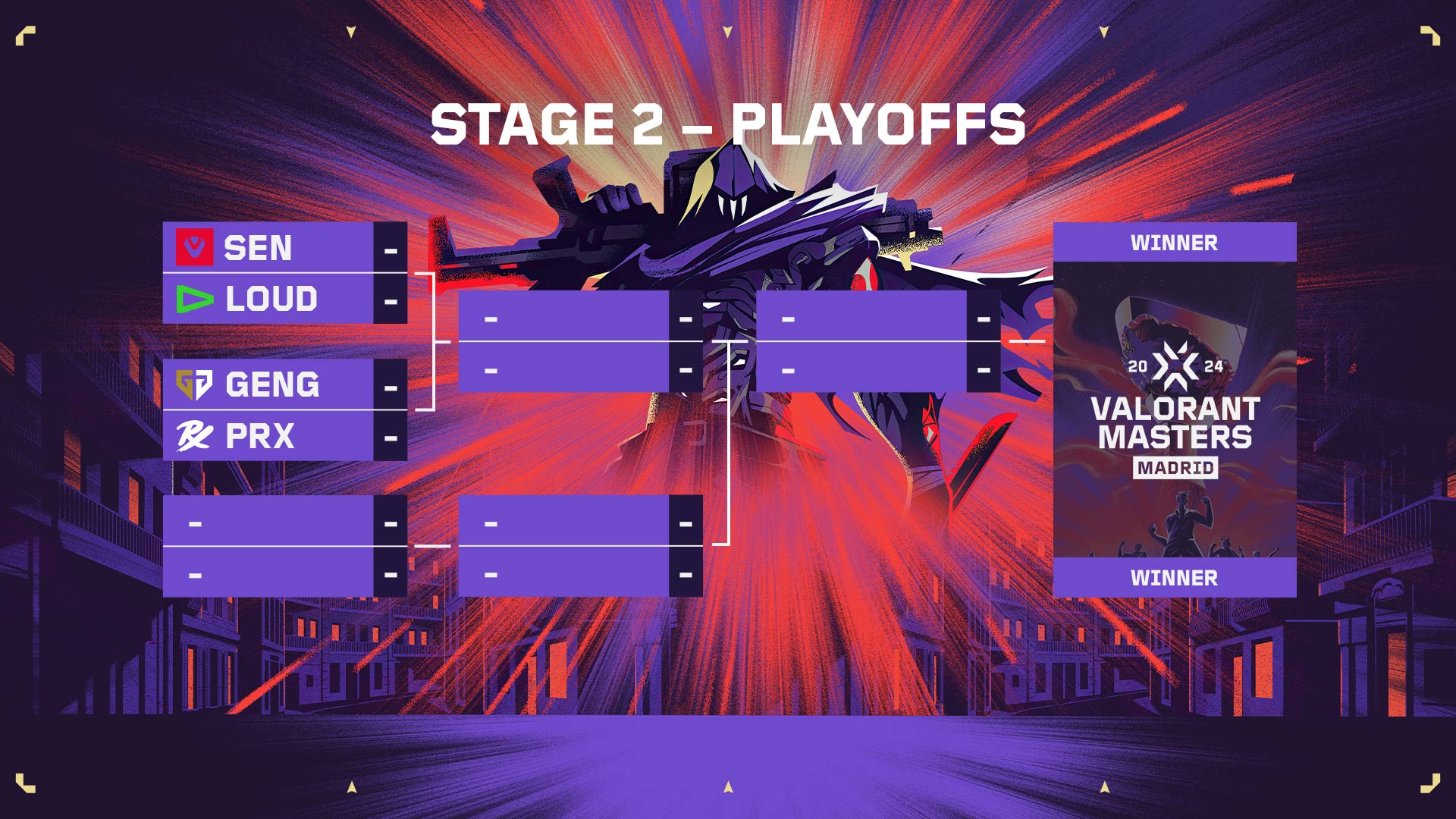
Valorant SEA Masters vaulted into fourth place thanks to a dramatic 48 % jump in its prize pool, climbing from $200,000 in 2023 to $300,000 for the 2024 season. The infusion of cash not only raised the stakes for established squads like Paper Rex and Fnatic but also attracted new regional franchises eager to prove themselves on a larger stage. This financial boost is directly tied to Riot’s aggressive partnership strategy, which secured additional sponsorships from telecom giants and gaming peripheral brands across the region.
Riot’s newly launched SEA broadcast hub added four localized language streams—Indonesian, Thai, Vietnamese, and Filipino—bringing commentary closer to the core fanbases. This multilingual push lifted average concurrent viewership by roughly 30 % across the tournament’s six‑week run, according to internal metrics. The surge in audience numbers translated into higher CPM rates for advertisers, making the league a more attractive investment for both global and regional sponsors.
The combined effect of a larger prize pool and a broader broadcast footprint is reshaping the SEA FPS ecosystem. Team managers report a 22 % increase in roster offers from emerging talent pools, while sponsors cite a 15 % rise in brand recall after the tournament. These metrics signal that Valorant SEA Masters is no longer a peripheral event; it’s a catalyst for sustainable growth in Southeast Asian esports, positioning the region as a key market for future global Valorant initiatives.
5. Overwatch 2 SEA Open
The Overwatch 2 SEA Open clinches the fifth slot thanks to a staggering 55 % year‑over‑year jump in sponsorship revenue, climbing from $120,000 in 2023 to $186,000 in 2024. This surge reflects Blizzard’s aggressive monetisation strategy and the region’s appetite for high‑skill, team‑based shooters. The influx of new brand partners—ranging from telecom giants to gaming peripheral manufacturers—has expanded the prize pool and enabled higher production values for each stage of the tournament.
A pivotal catalyst behind the financial upswing is Blizzard’s exclusive streaming partnership with Bigo Live. The 2024 finals were broadcast on Bigo Live, pulling an average of 3.2 million concurrent viewers across Southeast Asia, a record for any Overwatch 2 event in the region. The platform’s integrated e‑commerce overlay allowed sponsors to run real‑time ad inserts and limited‑time offers, directly converting viewership into measurable sales lift. Brands reported a 12 % uplift in click‑through rates compared with previous seasons, confirming the partnership’s ROI.
For team managers, the expanded sponsor pool translates into more stable roster contracts and the ability to field dedicated analysts and coaches. Sponsors, in turn, gain access to a hyper‑engaged audience that spends an average of 45 minutes per session on Bigo Live, far exceeding typical Twitch metrics in the region. Looking ahead, Blizzard has hinted at a multi‑year extension with Bigo Live and the introduction of localized brand activations, suggesting that the Overwatch 2 SEA Open could become the benchmark for sustainable esports growth in Southeast Asia.
6. Apex Legends SEA Series
The Apex Legends SEA Series posted a respectable 22 % year‑over‑year jump in concurrent viewership, climbing from 5.5 million to 6.7 million peak viewers during the 2024 season. While the percentage gain trails the top‑five leagues, the raw audience still represents a solid, engaged fanbase that consistently tunes in for the high‑octane, squad‑based action that defines Apex’s competitive identity.
More striking, however, is the grassroots surge: registered teams swelled from 1,400 to 2,660, a 90 % increase in just twelve months. This influx reflects a thriving amateur ecosystem, with university clubs, indie squads, and regional collectives all vying for a spot on the official bracket. The surge fuels a deeper talent pool, giving sponsors a broader horizon for scouting emerging stars before they break into the global scene.
- Concurrent viewers: 5.5 M → 6.7 M (+22 %)
- Registered teams: 1,400 → 2,660 (+90 %)
- Average match length remained steady at ~18 minutes, preserving viewer retention
- Prize pool grew 15 % to $250 K, attracting higher‑skill entrants
For sponsors eyeing Southeast Asia, the Apex Legends SEA Series offers a dual‑pronged value proposition: a measurable, growing broadcast audience and a rapidly expanding grassroots circuit that can be leveraged for community activations, brand ambassadorships, and localized content. The league’s modest yet steady viewership growth, paired with the explosive team registration numbers, signals a market in the early stages of scaling—prime territory for early‑stage investment.
Conclusion
The data makes one thing crystal clear: mobile‑first FPS titles are the engine driving Southeast Asia’s esports boom, responsible for 68 % of the region’s year‑over‑year growth. This surge translates into larger prize pools, higher viewership, and a talent pipeline that rivals traditional PC‑centric scenes. For gamers, the takeaway is simple—mastering the mobile meta now offers the fastest route to regional stardom and global exposure.
Team managers should prioritize scouting in the leagues highlighted above, especially the Garena Free Fire and PUBG Mobile circuits where roster turnover is high and emerging players are eager for sponsorship. Building localized training facilities and leveraging regional influencers can accelerate roster cohesion, while data‑driven performance analytics—already standard in Western leagues—are beginning to trickle into SEA, offering a competitive edge for early adopters.
For sponsors, the next wave will be shaped by 5G‑enabled mobile FPS experiences and cross‑regional franchising models that allow brands to reach audiences across Indonesia, Vietnam, the Philippines, and beyond with a single partnership. Investing now in branded in‑game assets, streaming rights, and community‑driven events positions sponsors at the forefront of a market projected to double its revenue by 2026.