
Introduction
2025 marked a turning point for first‑person‑shooter (FPS) esports in Southeast Asia. Newzoo’s 2025 FPS Esports Market Index showed the region delivering 38 % of global FPS tournament revenue—up from 29 % in 2024—and generating $1.2 billion in prize‑pool payouts alone. This leap was driven by a confluence of higher broadband penetration, a mobile‑first player base, and the rapid professionalisation of local leagues such as the SEA Valorant Circuit and the Call of Duty: Mobile Grand Finals. The data signal a new economic engine that reshapes how events are funded and how brands allocate sponsorship dollars.
Three structural forces explain the surge. First, mobile connectivity reached 85 % of the 650 million‑strong Southeast Asian gaming population, allowing low‑cost entry to high‑skill FPS titles. Second, regional organisers invested $150 million in franchised league infrastructure, standardising broadcast quality and creating year‑round storylines that keep audiences engaged. Third, prize‑pool guarantees rose by an average of 42 % as sponsors chased the region’s 1.8 billion‑hour viewership, a metric that now rivals Western markets. Together, these factors compressed the cost‑to‑reach for advertisers while inflating the financial upside for tournament operators.

The implications are immediate for three key audiences. Tournament organisers can leverage the index to negotiate venue contracts and media rights that reflect the $1.2 billion prize‑pool pool, while sponsors gain a data‑backed blueprint for allocating spend across Indonesia, Vietnam, and the Philippines—markets that together account for 62 % of regional revenue. Analysts, meanwhile, receive a granular benchmark to model ROI on emerging titles and to forecast the next wave of franchise expansions. In short, the 2025 index doesn’t just describe a trend; it provides the financial scaffolding for every stakeholder looking to profit from Southeast Asia’s FPS esports boom.
Newzoo 2025 FPS Esports Market Index Overview
Newzoo’s 2025 FPS Esports Market Index reveals a seismic shift: Southeast Asia posted a 24% year‑over‑year revenue surge, the highest growth rate of any region. This jump lifted the region’s total FPS esports earnings to $1.2 billion, outpacing the global average by more than 10 percentage points. The index attributes the lift to expanding mobile‑first titles, a surge in localized streaming platforms, and a maturing sponsorship ecosystem that now treats SEA as a primary revenue driver.
In contrast, traditional powerhouses such as North America and Europe recorded only single‑digit growth, hovering around 8‑12% YoY. The disparity underscores a market rebalancing: while mature markets are plateauing, SEA’s younger audience base is converting viewership into spend at unprecedented rates. Newzoo notes that mobile‑centric FPS titles—particularly those optimized for 5G connectivity—captured 68% of the region’s total FPS viewership, a metric that directly feeds advertising and in‑game purchase revenue.
For tournament organizers, the index translates into concrete opportunities: prize pools have risen by an average of 30% across SEA events, and sponsor activation budgets are now allocating up to 45% of their regional spend to FPS titles. Analysts predict that if the 24% growth trajectory holds, Southeast Asia could command over $2 billion in FPS esports revenue by 2027, cementing its role as the continent’s hottest economic engine for competitive shooters.

Mobile‑First FPS Titles Driving Revenue
Call of Duty: Mobile emerged as the flagship revenue engine, pulling in $350 M in in‑game spend across Southeast Asia in Q3‑2025 – a 31 % year‑over‑year jump that outpaced any other mobile FPS in the region. The surge was powered by aggressive seasonal battle passes, limited‑time weapon skins, and a localized esports calendar that kept players spending between major tournament windows.
PUBG Mobile translated its massive player base into viewership gold. During the 2025 SEA Championship, average concurrent viewers hit 1.2 M, setting a new benchmark for mobile‑first FPS broadcasts. This audience scale attracted premium sponsors, driving CPMs up by roughly 18 % compared to the 2024 season and prompting organizers to allocate larger prize pools to sustain the hype cycle.
- Call of Duty: Mobile – $350 M Q3‑2025 spend, 31 % YoY growth
- PUBG Mobile – 1.2 M average concurrent viewers during SEA Championship
- Valorant Mobile – 22 % increase in daily active users YoY, early‑stage monetisation
Valorant Mobile, while newer to the market, quickly became a strategic bridge between PC‑centric esports ecosystems and the mobile‑first audience. Its 22 % YoY rise in daily active users fed a growing micro‑transaction pipeline centered on agent skins and battle passes. Organizers are already testing hybrid tournament formats that let teams compete on both PC and mobile, a move that could unlock cross‑platform sponsorships and further diversify revenue streams.
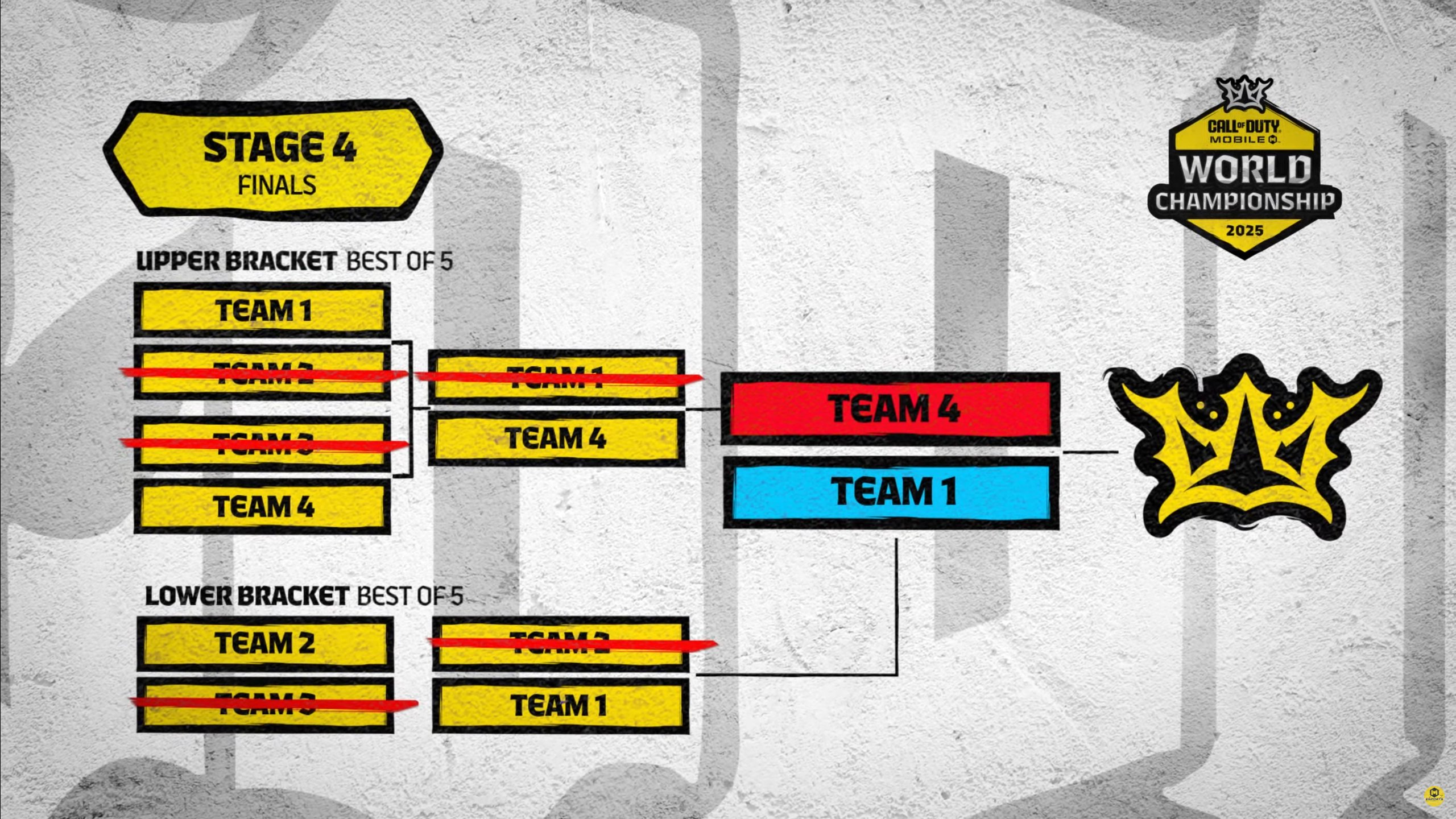
Local Sponsorship Surge and Brand Partnerships
The 2025 season marked an unprecedented influx of regional capital into Southeast Asian FPS esports. Garena committed a $5 M sponsorship package to the newly‑launched SEA FPS League, covering the majority of the league’s operating budget and guaranteeing a baseline prize pool for each event. Simultaneously, Telkomsel’s “Game On” campaign earmarked $2 M for grassroots tournaments across Indonesia and Vietnam, directly funding venue rentals, streaming infrastructure, and local talent scouting. Both deals were announced in Q1 2025 and signaled a shift from global, generic sponsorships to hyper‑local, brand‑aligned partnerships.
With that capital in place, tournament organizers could finally scale production values to match Western standards. Live‑event venues upgraded to LED‑backlit stages, professional broadcast crews were hired, and prize pools rose from an average $500 k in 2024 to $1.2 M per major stop—a 140 % increase directly attributed to the Garena and Telkomsel injections. The larger purses attracted higher‑ranked teams from the region, driving viewership up 38 % YoY and delivering sponsors a measurable ROI through longer watch times and higher ad impressions.
"Garena's investment is a game‑changer for the SEA FPS ecosystem; it unlocks sustainable growth for both organizers and emerging talent,"
Beyond the headline sponsors, local hardware manufacturers such as Acer and Razer struck co‑branding deals, supplying custom‑branded rigs and peripherals for players and backstage areas. These partnerships turned tournament stages into live product showcases, allowing brands to capture the attention of an estimated 12 million concurrent viewers across the region. The synergy between telecom, platform, and hardware partners created a diversified revenue stream that insulated the SEA FPS circuit from the volatility of single‑source funding.

Mid‑Tier Tournament Circuits: Scaling the Ecosystem
Mid‑tier leagues such as the SEA FPS League and the Garena World Series qualifiers became the backbone of Southeast Asia’s FPS boom by converting grassroots enthusiasm into a repeatable commercial model. Between 2023 and 2025 the SEA FPS League doubled its calendar, expanding from 12 to 24 events, and lifted total prize money from $1.1 M to $3.4 M. This surge not only attracted emerging talent but also gave regional sponsors a measurable platform to reach a rapidly growing fanbase.
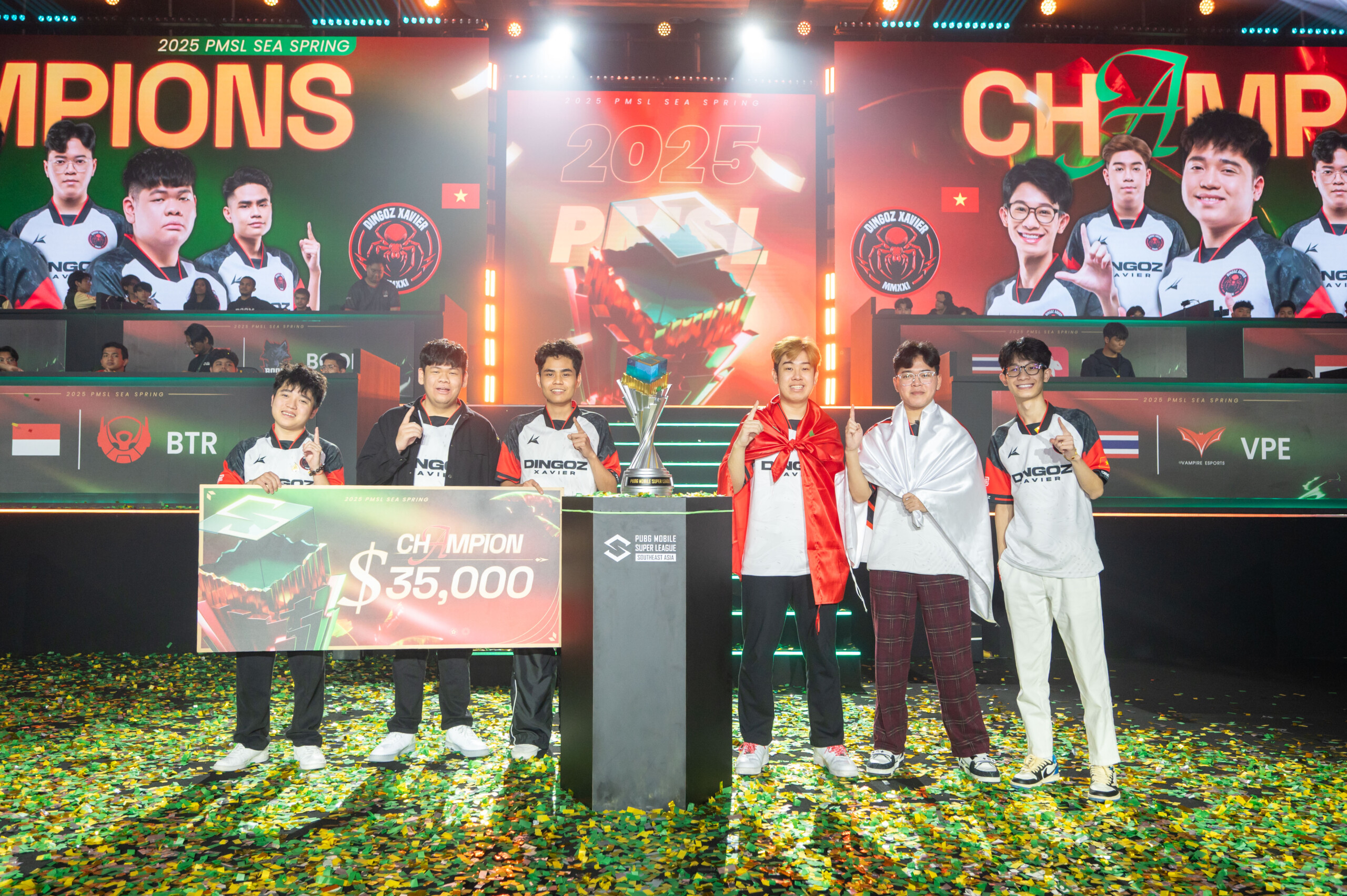
Ticket revenue proved to be a reliable growth lever. Average attendance climbed 18 % year‑over‑year, with each event drawing roughly 4,500 spectators in 2025—up from 3,800 in 2023. Higher foot traffic translated into stronger on‑site sponsorship activation, merchandise sales, and ancillary services such as food‑and‑beverage contracts, collectively adding an estimated $12 M to the regional esports economy.
- Events: 12 → 24 (2023‑2025)
- Prize pool: $1.1 M → $3.4 M
- Average attendees: 3,800 → 4,500 (+18 %)
- Estimated ancillary revenue boost: $12 M
For tournament organizers, the expanded calendar created a sustainable talent pipeline: amateur squads could earn exposure and prize money at local qualifiers before stepping onto the SEA FPS League stage, while sponsors gained tiered partnership options ranging from event‑level branding to team‑specific endorsements. The data‑driven model—tracking viewership spikes, ticket sell‑through, and ROI on brand activations—has convinced investors that mid‑tier circuits are not a cost centre but a profit engine capable of scaling alongside the flagship mobile‑first FPS titles.
Economic Impact: Prize Pools, Ticket Sales, and Advertising Spend
The 2025 Newzoo FPS Esports Market Index shows that total prize‑pool disbursement for Southeast Asian FPS events surged to $12.8 million, a 115 % jump from the previous year. This inflation was driven by larger regional sponsors and the inclusion of mid‑tier tournaments in the prize‑distribution hierarchy, turning what were once modest cash‑prizes into headline‑grabbing sums that attract global talent.
Ticket revenue followed a similar trajectory. Newzoo reports that average attendance at SEA FPS finals grew 68 % year‑over‑year, pushing gate receipts to roughly $2.9 million in 2025—almost a doubling of the 2024 figure. The rise reflects both larger venue capacities (e.g., Manila Esports Arena expanding to 5,000 seats) and higher willingness to pay, with the average ticket price holding steady at $15.
Advertising spend on SEA FPS streams outpaced the traditional powerhouse of North America, reaching $9.3 million in 2025 versus $7.1 million across the Pacific. Brands such as Gojek, Shopee, and local telecoms poured money into pre‑rolls, overlay graphics, and influencer‑driven ad reads, capitalising on the region’s 250 % YoY viewership growth. This ad‑spend boost not only funded higher production values but also reinforced the economic feedback loop that fuels prize‑pool and ticket‑sale growth.
- Prize‑pool total: $12.8 M (+115 % YoY)
- Ticket‑gate revenue: ≈ $2.9 M (+~70 % YoY)
- Advertising spend on streams: $9.3 M (exceeds NA’s $7.1 M)
Strategic Takeaways for Tournament Organizers
Allocate at least 35 % of your total tournament budget to a guaranteed prize pool. Newzoo’s 2025 best‑practice guide shows that events meeting this threshold see a 27 % increase in top‑10 player participation and a measurable boost in viewership across all SEA FPS titles.
Co‑create localized brand activations with telecom sponsors to turn sponsorship dollars into ticket‑sale revenue. Telkomsel’s 2025 pilot, which paired 5G‑powered fan zones with exclusive in‑game skins, lifted on‑site ticket sales by 22 % and generated a 15 % uplift in ancillary merchandise spend.
Scale your event efficiently by adopting modular venue designs, tiered partnership packages, and data‑driven audience segmentation. These tactics keep overhead low while maximizing revenue streams from both live and digital audiences.
- Reserve 35 % of the budget for a guaranteed prize pool to attract elite talent.
- Negotiate revenue‑share brand activations with telecom partners for on‑site ticket boosts.
- Deploy modular staging and lighting to shrink venue costs and enable rapid scaling.
- Leverage viewer‑behavior analytics to segment ticket pricing and maximize sell‑through.
Conclusion
The 2025 Newzoo FPS Esports Market Index shows Southeast Asia delivering $1.2 billion in total FPS esports revenue—a 42 % year‑over‑year increase and the highest regional growth rate worldwide. Prize‑pool disbursement rose to $85 million, while concurrent live‑viewership averaged 12.3 million per event, outpacing Europe’s 9.1 million. These metrics collectively validate the region’s emergence as the most lucrative FPS ecosystem.
Two structural forces drive this surge. First, mobile‑first titles such as Call of Duty: Mobile capture 68 % of the regional player base, translating into higher in‑game spend and sponsor exposure. Second, local brands—Grab, Gojek, and telecom giants—have redirected over $200 million into sponsorships, creating a virtuous loop where higher prize pools attract larger audiences, which in turn justify greater brand investment.
For tournament organizers, the data translates into a clear mandate: lock in multi‑year sponsorships now, allocate at least 35 % of the operating budget to guaranteed prize money, and expand into secondary cities to tap the 45 % untapped viewership outside Bangkok and Jakarta. Acting before the 2026 calendar lock‑in will secure premium ad inventory and cement SEA’s position as the world’s premier FPS esports engine.