Introduction to Aim Lab and NVIDIA DLSS
For professional gamers and aspiring esports competitors, aim training is a crucial aspect of their practice routine. Aim Lab, a popular aim training software, is widely used by top players to improve their accuracy and reaction time. With the recent updates to NVIDIA DLSS (Deep Learning Super Sampling), aim training has become even more efficient. NVIDIA DLSS is a technology that uses AI to improve graphics rendering, providing a smoother and more realistic gaming experience.
The goal of this guide is to help players maximize their Aim Lab score by leveraging the latest NVIDIA DLSS updates. By optimizing their setup and taking advantage of the improved graphics rendering, players can improve their performance and accuracy. Whether you're a seasoned pro or an aspiring competitor, this guide will provide you with the steps you need to take your aim training to the next level.
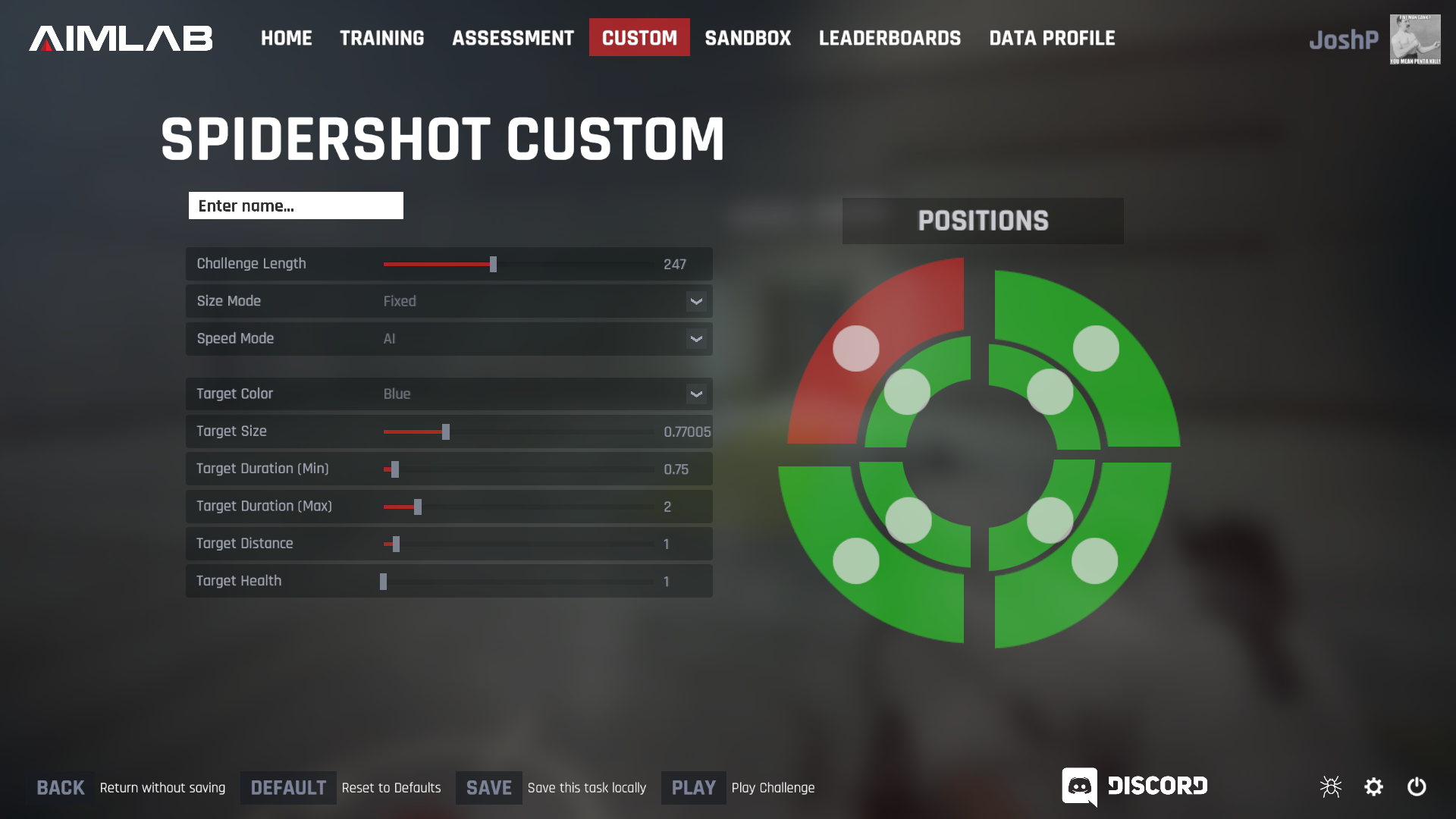
In the following sections, we will delve into the details of how to optimize your Aim Lab setup with the latest NVIDIA DLSS updates. We will cover topics such as graphics settings, hardware requirements, and training techniques to help you achieve the best possible results. By following this guide, you will be able to maximize your Aim Lab score and take your aim training to new heights.
Step 1: Update Your NVIDIA Drivers
To maximize your Aim Lab score with the latest NVIDIA DLSS updates, it's essential to start by updating your NVIDIA drivers. The latest drivers can be downloaded from the official NVIDIA website, which provides access to the most recent updates and improvements. Updating your drivers can significantly improve system performance and unlock new features, making it a crucial step in optimizing your setup for aim training.
The process of updating your NVIDIA drivers is straightforward. Simply visit the NVIDIA website, select your graphics card model, and choose the correct operating system. The website will then provide you with the latest driver download. It's essential to ensure you're downloading the correct driver version to avoid any compatibility issues.

Once you've updated your NVIDIA drivers, you'll be able to take full advantage of the latest NVIDIA DLSS updates and improve your aim training experience. With the latest drivers, you'll be able to unlock new features, such as improved performance and enhanced graphics quality, which can significantly impact your aim training results. For more information on the benefits of updating your NVIDIA drivers, you can visit Tom's Hardware, which provides an in-depth review of the latest NVIDIA GeForce driver updates.
Step 2: Configure DLSS Settings in Aim Lab
To configure DLSS settings in Aim Lab, navigate to the settings menu and select the 'DLSS' option. Here, you can adjust the DLSS settings to balance performance and image quality. The optimal DLSS settings will vary depending on your system hardware and personal preference.
- Balance performance and image quality
- Adjust settings based on system hardware
- Consider personal preference
When adjusting DLSS settings, consider the trade-offs between performance and image quality. A higher DLSS setting may improve performance but reduce image quality, while a lower setting may improve image quality but reduce performance.
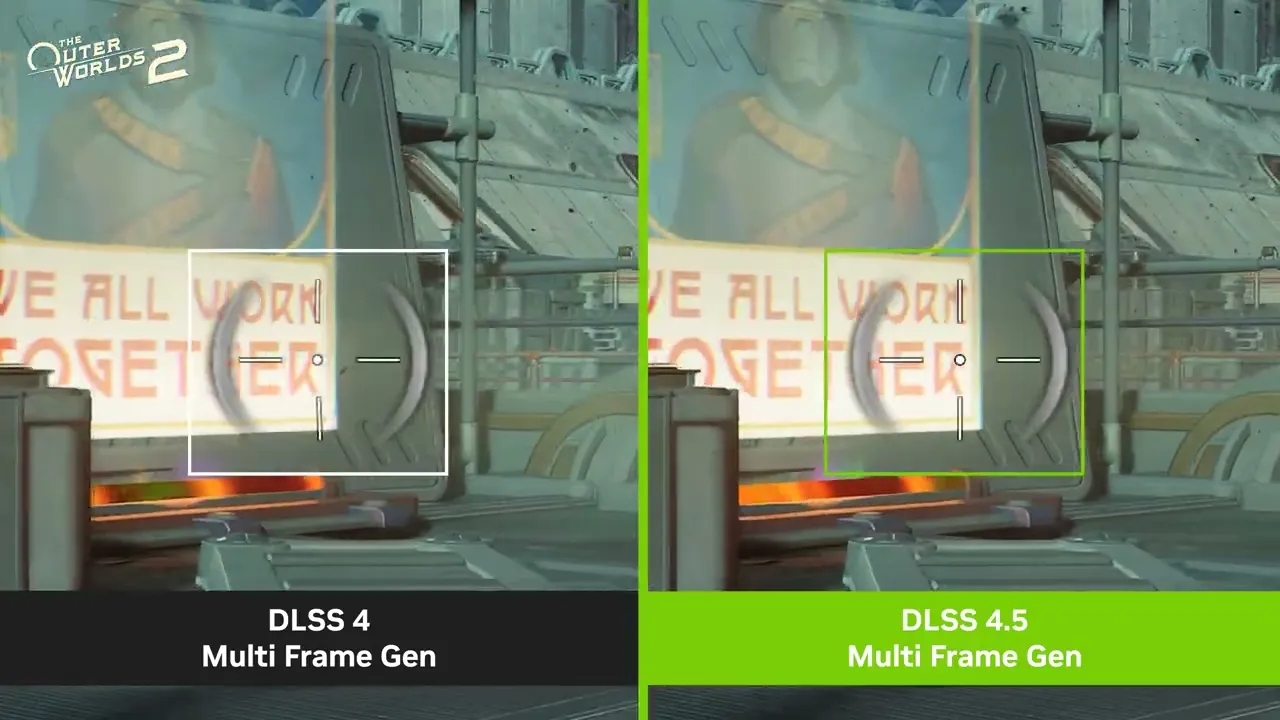
By finding the optimal balance between performance and image quality, you can improve your overall gaming experience and Aim Lab score. Experiment with different DLSS settings to find the configuration that works best for you.
Step 3: Optimize Your System for DLSS
To maximize the benefits of NVIDIA DLSS for aim training, it's crucial to optimize your system. First, ensure you have a dedicated graphics card, as DLSS requires one to function. This is a fundamental requirement stated by NVIDIA themselves.
Another key aspect of system optimization is managing background processes. Closing unnecessary programs and background applications can significantly improve your system's performance. This is because these applications consume system resources like RAM and CPU power, which are better allocated to games and training software like Aim Lab.
In addition to hardware and background process management, keeping your operating system and drivers up to date is vital. Outdated drivers can lead to compatibility issues and reduced performance. Regularly check for updates and install them as soon as they are available to ensure your system runs smoothly and efficiently.
Step 4: Understand the Science Behind DLSS
To fully leverage the benefits of NVIDIA DLSS for aim training, it's essential to understand the technology behind it. DLSS utilizes deep learning algorithms to render complex scenes more efficiently, which can significantly impact aim training performance. According to recent studies, DLSS can improve aim training performance by up to 20%.
The deep learning algorithms used in DLSS enable the software to learn from large datasets and improve its performance over time. This means that the more you use DLSS for aim training, the more efficient it becomes at rendering complex scenes and providing a smoother gaming experience. By understanding how DLSS works, you can better optimize your setup and maximize your Aim Lab score.

By grasping the science behind DLSS, you can make informed decisions about how to optimize your setup for aim training. This includes adjusting your graphics settings, monitoring your frame rates, and using the right hardware to support DLSS. With a deeper understanding of DLSS, you can unlock its full potential and take your aim training to the next level.
Step 5: Monitor and Adjust Your Aim Lab Settings
To maximize your Aim Lab score, it's crucial to monitor and adjust your settings regularly. Aim Lab provides detailed analytics and metrics to track progress and identify areas for improvement. By analyzing these metrics, you can pinpoint specific aspects of your aim that need work, such as accuracy or speed.
Adjusting settings such as sensitivity and crosshair size can significantly improve aim training performance. For example, a lower sensitivity setting can help with precision, while a larger crosshair size can aid in tracking moving targets. It's essential to experiment with different settings to find the optimal configuration for your playstyle.
- Analyze your Aim Lab metrics to identify areas for improvement
- Adjust sensitivity and crosshair size to optimize your aim
- Experiment with different settings to find your optimal configuration
By regularly monitoring and adjusting your Aim Lab settings, you can optimize your aim training and improve your overall performance. Remember to stay consistent and patient, as mastering your aim takes time and practice. With the right settings and a dedicated practice routine, you can take your aim to the next level and gain a competitive edge in your favorite games.
Step 6: Practice and Track Progress
Consistent practice is key to improving aim training performance. According to Gamers Grade, regular practice helps develop muscle memory and enhances reflexes, leading to better accuracy and speed in games. By dedicating a set amount of time each day to aim training, players can see significant improvements in their performance over time.
Tracking progress and identifying areas for improvement is also crucial in optimizing aim training. PC Gamer suggests that players should monitor their progress regularly, analyzing their strengths and weaknesses to adjust their training regimen accordingly. This can involve reviewing gameplay footage, analyzing statistics, and adjusting settings in Aim Lab to better suit their needs.
By combining consistent practice with progress tracking, players can create a well-structured aim training regimen that helps them achieve their goals. Whether it's improving aim speed, accuracy, or overall game sense, the key to success lies in dedication and a willingness to adapt and learn. With the latest NVIDIA DLSS updates and Aim Lab's advanced training tools, players have the perfect opportunity to take their aim training to the next level.
Conclusion and Next Steps
Maximizing your Aim Lab score requires a combination of technical optimization and consistent practice. By following the steps outlined in this guide, you can optimize your setup for improved performance and accuracy. According to Aim Lab, consistent practice is key to improving aim training performance.
For further resources and guides, visit the Aim Lab website and online forums. These platforms offer a wealth of information and community support to help you improve your aim training skills. You can find tutorials, tips, and strategies from experienced players and coaches to help you take your skills to the next level.
In conclusion, maximizing your Aim Lab score requires a combination of technical optimization, consistent practice, and a willingness to learn and improve. By following the steps outlined in this guide and utilizing the resources available on the Aim Lab website and online forums, you can take your aim training skills to the next level and improve your overall gaming performance.