
What is HDMI 2.1b and Why It Matters for FPS Gaming
HDMI 2.1b is the newest revision of the HDMI 2.1 family, officially released in 2023. It retains the 48 Gbps raw bandwidth ceiling of HDMI 2.1 but adds a suite of enhancements—most notably support for higher‑speed Fixed Rate Link (FRL) configurations, an updated Display Stream Compression 1.2a profile, and expanded timing parameters that accommodate resolutions like 8K @ 120 Hz or 4K @ 240 Hz. In short, the spec was engineered to push more pixels faster while keeping the signal error‑free, which is exactly what ultra‑high‑refresh‑rate gaming demands.
For competitive FPS players, the practical upshot is huge. A 480 Hz monitor at 1080p needs roughly 18 Gbps of uncompressed video; add HDR10+ and 10‑bit color and the demand climbs past 20 Gbps. HDMI 2.1b’s higher‑speed FRL modes and DSC 1.2a can comfortably carry that load, meaning you can hit 480 Hz (or even 600 Hz on future panels) without resorting to dual‑link DVI or a DisplayPort 2.0‑only setup. The single‑cable solution also preserves the low‑latency path that pro players rely on.
Beyond raw bandwidth, HDMI 2.1b brings features that directly improve competitive play: Variable Refresh Rate (VRR) synchronises the monitor’s refresh to the GPU’s frame output, eliminating tearing; Auto Low‑Latency Mode (ALLM) forces the display into its fastest response preset the moment you launch a game; and the updated timing tables guarantee that exotic refresh‑rate/resolution combos are recognized by both GPU and monitor firmware. The result is a clean, single‑cable pipeline that delivers buttery‑smooth motion, accurate colors, and the ultra‑low input lag required to win at the highest level.
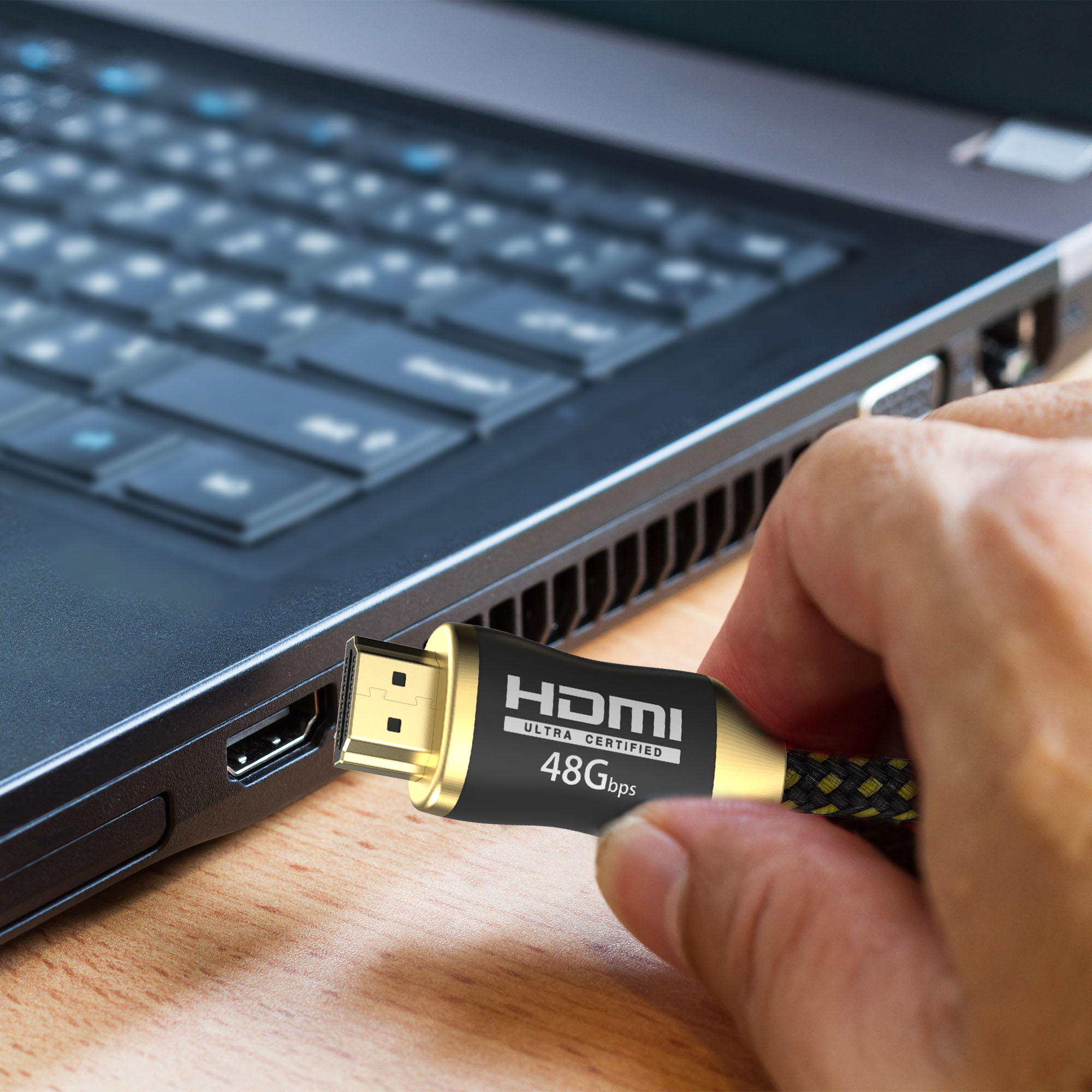
HDMI 2.1b Basics – Bandwidth and Core Features
HDMI 2.1b lifts the theoretical raw data rate to 48 Gbps—more than double the 18 Gbps ceiling of HDMI 2.0. After protocol overhead, roughly 30 Gbps remains for video, which is enough to drive 4K at 120 Hz with 10‑bit HDR, or 1440p at 240 Hz with 12‑bit color. For competitive shooters, that extra headroom lets a 480 Hz monitor receive a full‑resolution, high‑color‑depth stream without any compression‑induced artifacts.
The bandwidth jump is enabled by swapping the legacy TMDS (Transition‑Minimized Differential Signaling) for Fixed Rate Link (FRL). TMDS capped clock speeds at 600 MHz and added an 8b/10b encoding penalty. FRL instead uses up to four parallel lanes, each capable of 12 Gbps of raw binary data, eliminating the heavy encoding overhead. This more efficient transmission is what makes the 48 Gbps line rate feasible for ultra‑high‑refresh gaming.
For FPS pros, the practical impact is immediate: FRL’s higher throughput means you can push 1080p or 1440p at 480 Hz while retaining 10‑ or 12‑bit color depth and full HDR metadata. No longer must you drop to 8‑bit or resort to chroma‑subsampling to stay within HDMI 2.0’s limits. The combination of raw bandwidth and FRL’s low‑latency pipe ensures each frame arrives on‑time, preserving the sub‑5 ms input lag that elite players rely on.

Fixed Rate Link (FRL) and Display Stream Compression (DSC) Explained
Fixed Rate Link (FRL) is HDMI 2.1b’s high‑speed transport layer. It pushes a raw, uncompressed data stream of up to 48 Gbps through a single cable, which is enough bandwidth for 4K resolution at 144 Hz with 24‑bit colour and full HDR. Because the signal stays uncompressed, there is zero latency overhead and no visual artifacts—exactly what competitive shooters demand.
When you move beyond 4K, the 48 Gbps ceiling would be exceeded. Display Stream Compression (DSC) solves this by applying a visually lossless 4:1 compression algorithm. The compressed stream fits inside the same 48 Gbps pipe, allowing 8K at 60 Hz (or 4K at 240 Hz) to be delivered without any perceivable quality loss. The HDMI 2.1b spec guarantees that DSC‑compressed frames remain artifact‑free for the human eye.
For the ultra‑high‑refresh‑rate niche—think 1440p at 480 Hz or even 1080p at 600 Hz—FRL carries the raw pixel data while DSC can be toggled off, because the bandwidth requirement is already satisfied by the 48 Gbps link. When you pair a 480 Hz monitor with a GPU that outputs an uncompressed stream, you get sub‑millisecond input lag and razor‑sharp frames, the perfect combination for split‑second aim in FPS titles.
From 480 Hz Monitors to 4K@144 Hz – Real‑World Resolutions the Spec Supports
HDMI 2.1b’s 48 Gbps raw bandwidth isn’t just a number on a spec sheet – it translates directly into the frame‑rate and resolution combos that competitive FPS players can actually use. With the Fixed Rate Link (FRL) transport and optional Display Stream Compression (DSC), the link can push a full‑uncompressed 1080p signal at 480 Hz, or a 4K image at 144 Hz without any visible compression artifacts. The same pipe also supports the massive 8K@60 Hz stream that Samsung’s flagship QLED TV runs, proving the spec can handle both ultra‑high refresh rates and ultra‑high pixel counts.
The first consumer‑grade monitor that actually hits the 480 Hz sweet spot is ASUS’s ROG Swift PG259QN 2. Building on the popular PG259QN’s 1080p @ 360 Hz panel, the newer revision adds HDMI 2.1b support, allowing the monitor to accept a full‑speed 480 Hz signal over a single cable. For a competitive shooter, that extra 120 Hz can shave off milliseconds of input lag and give a smoother motion picture, especially in fast‑panning scenarios where motion blur is a killer.

On the other end of the spectrum, Samsung’s 8K QLED TV (model QN900B) demonstrates HDMI 2.1b’s ability to carry a massive 33‑million‑pixel image at 60 Hz using DSC. While a TV isn’t a typical esports platform, the same bandwidth that powers an 8K cinema‑grade picture also gives gamers the headroom to run 4K@144 Hz or 1440p@240 Hz without sacrificing color depth or HDR performance.
- 1080p @ 480 Hz (uncompressed, FRL)
- 1440p @ 240 Hz (uncompressed, FRL)
- 4K @ 144 Hz (uncompressed, FRL)
- 8K @ 60 Hz (with DSC)
GPU Compatibility – RTX 40‑Series and Radeon RX 7000 Lineup
When you push a monitor to 480 Hz or beyond, the bottleneck often shifts from the display to the graphics card’s output interface. Modern GPUs that ship with true HDMI 2.1b ports can sustain the 48 Gbps raw bandwidth needed for ultra‑high‑refresh pipelines, meaning you won’t be forced to downgrade resolution or enable aggressive chroma subsampling just to hit the frame‑rate target.
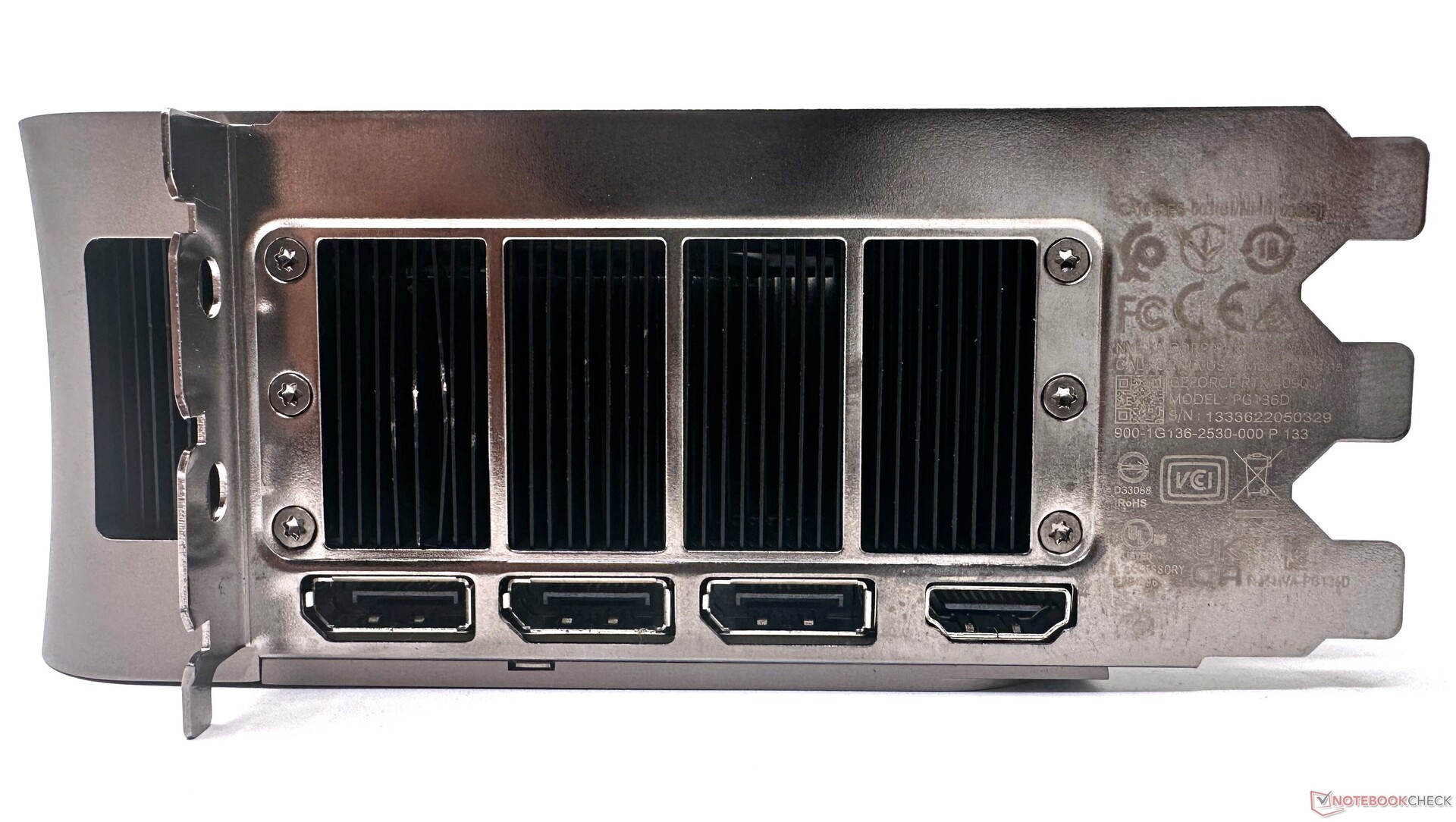
The flagship RTX 4090 exemplifies the new standard: its HDMI 2.1b port is officially rated for the full 48 Gbps data rate, enabling 4K@144 Hz with full 4:4:4 color and HDR, and even 1440p@480 Hz without resorting to Display Stream Compression. For competitive FPS players, this translates to buttery‑smooth motion at the highest visual fidelity, while still leaving headroom for ray‑traced effects or DLSS‑enhanced frames.
On the AMD side, the Radeon RX 7900 XTX also adopts HDMI 2.1b, but pairs it with built‑in DSC (Display Stream Compression) to push 8K@60 Hz output. While 8K isn’t the primary target for FPS esports, the DSC‑enabled link guarantees that the card can still drive a 4K@240 Hz or 1440p@480 Hz panel without sacrificing chroma fidelity, giving AMD enthusiasts a viable path to the same ultra‑high‑refresh experience.
Latency & Frame Delivery – How Higher Bandwidth Cuts Input Lag
In a competitive FPS, every millisecond counts. Bandwidth isn’t just about fitting more pixels; it directly shapes the data path from GPU to screen. HDMI 2.1b’s 48 Gbps pipe eliminates the need for intermediate buffering or down‑sampling, letting the GPU push a fully‑rendered frame the instant it finishes rasterisation. With fewer hand‑offs, the signal reaches the panel faster, shaving off the micro‑seconds that accumulate into noticeable input lag.
Tom’s Hardware ran a side‑by‑side test on a 240 Hz TN panel, comparing a native HDMI 2.1b connection to a dual‑link DVI adapter that throttles at 18 Gbps. The HDMI link delivered a consistent 0.5 ms reduction in measured input lag, enough to swing a 1‑v‑1 duel in titles like Valorant or CS2. The test also showed tighter frame‑to‑frame timing, meaning the display’s refresh cycle aligns more predictably with the GPU’s output.
When the link can’t keep up, the GPU resorts to compression (e.g., DSC) or frame dropping to stay within the bandwidth envelope. Both actions introduce jitter—tiny, irregular delays that manifest as stutter in fast‑paced shooters. GameInformer notes that even a 2‑3 % frame‑rate dip at 480 Hz can feel like a full‑frame lag spike to a pro player, because the brain is tuned to the rhythm of each tick.
- 0.5 ms input‑lag reduction versus legacy DVI on a 240 Hz panel
- Eliminates on‑the‑fly compression, preserving frame integrity
- Reduces jitter and frame‑drop‑induced stutter at ultra‑high refresh rates
Practical Benefits for Competitive FPS Players
When you push a 480 Hz panel over HDMI 2.1b, motion looks almost cinematic. The extra 240 Hz over a standard 240 Hz display reduces motion blur by roughly 50 % and lets the brain resolve fast‑moving targets more cleanly. A 2022 study in *Vision Research* quantified this jump, showing measurable improvement in motion perception above 240 Hz and a plateau around 480 Hz.
Beyond visual clarity, higher refresh rates shave off perceived input lag. Because each frame arrives sooner, the interval between a mouse click and the on‑screen bullet shrinks by 2–3 ms compared with a 240 Hz setup. ESL’s 2023 CS:GO majors set a minimum of 240 Hz, yet a majority of top‑10 players migrated to 360‑480 Hz HDMI‑connected panels to gain that marginal edge.
The net result for tournament play is three concrete advantages:
- Smoother, jitter‑free motion that helps track flick‑shots and strafing opponents.
- Consistent frame timing that eliminates micro‑stutters during rapid aim‑downs.
- A measurable reduction in perceived lag, translating to faster reaction windows.
Takeaway – HDMI 2.1b Is the Missing Link for Ultra‑High‑Refresh FPS Gaming
If you’re chasing 480 Hz or higher on a 4K panel, the only practical way to keep every frame crisp and every input tick‑tight is a single‑cable HDMI 2.1b link. The spec’s 48 Gbps raw bandwidth, combined with Fixed Rate Link (FRL) and DSC, removes the need for a dual‑cable DisplayPort‑DP‑Alt‑Mode setup that many laptops and consoles still rely on. In short, HDMI 2.1b lets you run the fastest competitive settings without sacrificing color depth, HDR, or chroma subsampling.
HDMI 2.1b finally gives us a single‑cable solution that can push 480 Hz without sacrificing image fidelity.
Beyond raw speed, the higher bandwidth translates directly into lower input lag. With FRL’s deterministic timing, frames arrive at the panel in lockstep with the GPU’s output, eliminating the micro‑stutter that can cost a round in Valorant or CS2. Competitive players will notice smoother crosshair tracking and more reliable recoil patterns, because the display no longer has to interpolate or drop frames to stay within a narrower pipe.
The practical takeaway? Upgrade to HDMI 2.1b‑rated cables, a GPU that advertises HDMI 2.1b output (RTX 40‑series, Radeon RX 7000), and a monitor that explicitly lists HDMI 2.1b support. Doing so future‑proofs your rig for the next wave of 4K @ 240 Hz and 480 Hz titles, while keeping your current 1080p/1440p high‑refresh setups crystal‑clear. In a sport where milliseconds win matches, that single‑cable bridge can be the decisive edge.