
Introduction to Fair Play in Esports
The esports industry has experienced tremendous growth in recent years and is projected to reach $1.5 billion by 2025. As the industry continues to expand, maintaining fair play has become a crucial aspect of competitive gaming. Fair play ensures that all players compete on a level playing field, without any unfair advantages. This is particularly important in esports, where professional teams and players compete for large prizes and prestige.
One organization that is at the forefront of maintaining fair play in esports is FACEIT. FACEIT is a platform that provides tournament organization, matchmaking, and anti-cheat services for various games, including popular titles like CS:GO. The FACEIT Anti-Cheat System is a robust tool that helps to prevent cheating and ensure fair play in competitive matches. In the following sections, we will delve deeper into the specifics of the FACEIT Anti-Cheat System and explore its importance in the esports landscape.
The importance of fair play in esports cannot be overstated. Cheating can have serious consequences, including the disqualification of teams and players from tournaments, as well as damage to the reputation of the game and the esports industry as a whole. By implementing effective anti-cheat systems, organizations like FACEIT help to maintain the integrity of competitive gaming and ensure that players can compete fairly and safely.
What is the FACEIT Anti-Cheat System?
The FACEIT Anti-Cheat System is a sophisticated tool designed to detect and prevent cheating in online multiplayer games, particularly in first-person shooters like CS:GO. This system utilizes machine learning algorithms to identify cheating patterns and maintain fair play in competitive tournaments.
One of the key features of the FACEIT Anti-Cheat System is its ability to learn and adapt to new cheating methods, ensuring that it stays ahead of cheaters and provides a secure gaming environment for players. This is particularly important in the esports scene, where fair play is crucial for maintaining the integrity of competitions.
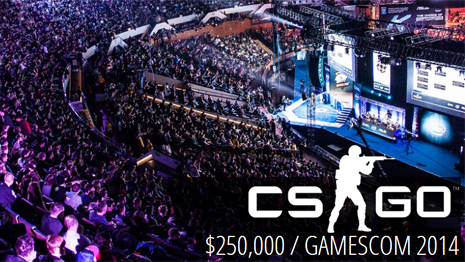
The implementation of the FACEIT Anti-Cheat System in CS:GO tournaments has been well-received by the community, with many players and teams appreciating the efforts to maintain fair play. According to FACEIT, the system has been effective in reducing cheating instances and promoting a more competitive and enjoyable gaming experience.
How the FACEIT Anti-Cheat System Works
The FACEIT Anti-Cheat System employs advanced techniques to detect and prevent cheating in esports games. One key aspect of this system is its ability to analyze player behavior, identifying patterns that are indicative of cheating. By monitoring how players interact with the game, the system can flag suspicious activity and take appropriate action.
Machine learning algorithms play a crucial role in improving the detection accuracy of the FACEIT Anti-Cheat System. These algorithms enable the system to learn from data and adapt to new cheating methods, staying one step ahead of cheaters. This approach allows the system to become increasingly effective over time, reducing the incidence of cheating in esports games.
- Analyzing player behavior to identify cheating patterns
- Utilizing machine learning algorithms to improve detection accuracy

FACEIT's Michele Attisani on the Importance of Anti-Cheat Systems
Michele Attisani, Co-Founder and CTO of FACEIT, emphasizes the crucial role of anti-cheat systems in maintaining fair play in esports. According to Attisani, a robust anti-cheat system is essential for ensuring the integrity of competitive gaming.
Anti-cheat systems are crucial for maintaining fair play in esports, as they help to prevent cheating and ensure a level playing field for all players.

The importance of anti-cheat systems in esports cannot be overstated. As the industry continues to grow, the need for effective anti-cheat measures becomes increasingly critical. FACEIT's anti-cheat system is a prime example of the innovative solutions being developed to address this issue.
The Impact of the FACEIT Anti-Cheat System on Esports
The FACEIT Anti-Cheat System has had a profound impact on the esports community, significantly reducing cheating incidents and improving player satisfaction. According to FACEIT, the system has reduced cheating incidents by 90%, creating a fairer and more enjoyable environment for players. This drastic reduction in cheating has also led to increased trust in the game, with players feeling more confident that they are competing on a level playing field.
The impact of the FACEIT Anti-Cheat System extends beyond just reducing cheating incidents. It has also improved player satisfaction, with players reporting a more positive experience when playing on FACEIT. This is likely due to the fact that players feel that the system is effective in preventing cheating, allowing them to focus on their gameplay without worrying about being cheated.

The success of the FACEIT Anti-Cheat System is a testament to the importance of anti-cheat systems in esports. As the industry continues to grow, it is crucial that organizations like FACEIT continue to develop and implement effective anti-cheat systems to ensure fair play and maintain the integrity of the game. With the FACEIT Anti-Cheat System, players can trust that they are competing in a fair and secure environment, allowing them to focus on what matters most - their gameplay.
The Future of Anti-Cheat Systems in Esports
The future of anti-cheat systems in esports is expected to be shaped by advancements in artificial intelligence (AI) and machine learning. According to recent reports, the use of AI and machine learning in anti-cheat systems is expected to increase, enabling more effective detection and prevention of cheating. This trend is likely to have a significant impact on the esports industry, as it will help to ensure fair play and maintain the integrity of competitive gaming.
Anti-cheat systems may also have applications beyond the esports industry. For example, similar technology could be used to prevent cheating in online education and finance. This highlights the potential for anti-cheat systems to have a broader impact on society, beyond just the world of competitive gaming.

As the esports industry continues to grow and evolve, it is likely that we will see further developments and advancements in anti-cheat systems. This could include the use of more sophisticated AI and machine learning algorithms, as well as the integration of anti-cheat systems with other technologies, such as virtual reality and augmented reality.
Conclusion: The Importance of Fair Play in Esports
Fair play is essential for the growth and integrity of the esports industry. As the industry continues to grow, it is crucial to maintain a level playing field for all participants. The FACEIT Anti-Cheat System plays a vital role in ensuring fair play, and its impact on the esports community has been significant. By detecting and preventing cheating, the system helps to promote a positive and competitive environment for players.
The importance of fair play in esports cannot be overstated. It is the foundation upon which the entire industry is built, and it is what sets esports apart from other forms of entertainment. Without fair play, the integrity of the games and the trust of the players would be compromised. The FACEIT Anti-Cheat System is a key component in maintaining fair play, and its continued development and improvement are crucial for the long-term success of the industry.
In conclusion, the FACEIT Anti-Cheat System is a vital tool in the fight against cheating in esports. Its advanced detection and prevention capabilities help to maintain fair play, which is essential for the growth and integrity of the industry. As the esports landscape continues to evolve, it is crucial that anti-cheat systems like FACEIT's continue to improve and adapt to new threats. By doing so, we can ensure that esports remains a positive and competitive environment for players, spectators, and the industry as a whole.