
Introduction: The Quest for Speed and Clarity in Competitive FPS
In the split‑second world of competitive first‑person shooters, every millisecond counts. Pro players chase the highest possible frame rates to shave off input lag, while streamers need fluid visuals that keep viewers engaged. A smoother frame pipeline translates directly into tighter reaction times, clearer target tracking, and a more immersive broadcast—factors that can swing a match in a 1v1 duel or a best‑of‑seven series.
The hardware race has accelerated alongside the rise of 144‑240 Hz monitors, which have become the de‑facto standard in top‑tier esports arenas. Between 2024 and 2025, the share of esports titles officially supporting 240 Hz refresh rates jumped by 38 %, reflecting both developer commitment and player demand for ultra‑high refresh experiences (source: Statista). This shift forces gamers to upgrade GPUs, CPUs, and display panels in lockstep, creating a market pressure for solutions that can deliver raw speed without sacrificing image fidelity.
Balancing raw speed with visual clarity is no longer a luxury—it's a competitive necessity. When a frame drops or a texture blurs, the advantage shifts to the opponent. Technologies that can upscale lower‑resolution frames to near‑native quality while preserving high frame rates are therefore reshaping the hardware landscape, giving players and streamers a viable path to stay ahead of the curve without constantly splurging on ever‑more powerful GPUs.
-1000x1000.jpg)
What Is FidelityFX Super Resolution 3?
FidelityFX Super Resolution 3 (FSR 3) is AMD’s latest open‑source up‑scaling suite, designed to squeeze extra frames out of any GPU – whether it’s an AMD Radeon, an NVIDIA GeForce, or an Intel Arc. By keeping the code publicly available under the MIT license, AMD ensures that game developers and modders can integrate the technology without paying royalties, and that the solution works across the entire PC ecosystem, not just AMD‑only hardware.
FSR 3 achieves its performance gains through a two‑step pipeline. First, it applies a spatial up‑scaler (the same algorithm that powered FSR 2) to enlarge the rendered image from a lower native resolution to the target display size. Second, an AI‑driven frame‑generation module synthesizes intermediate frames by analyzing motion vectors and depth data, effectively doubling the perceived frame rate without the cost of rendering every frame from scratch.
AMD’s 2025 whitepaper claims that, when paired with a modest 1440p render target, FSR 3 can deliver up to a 2× performance boost compared with native 1440p rendering – a gain that translates directly into smoother gameplay for competitive shooters where every extra frame matters.
- Open‑source and royalty‑free – works on AMD, NVIDIA, and Intel GPUs.
- Two‑step approach: spatial up‑scaling + AI‑driven frame generation.
- Claims up to 2× performance boost versus native rendering (AMD 2025 whitepaper).
- Designed for low‑latency esports titles, preserving sharpness and motion fidelity.
How FSR 3 Works Under the Hood
FSR 3’s engine is a three‑stage pipeline. First, the driver pulls per‑pixel motion vectors from the game’s rendering pass. These vectors describe how each pixel moves between the current and previous frame. Second, AMD’s AI‑driven Frame Generation model uses those vectors to synthesize an intermediate “ghost” frame, effectively doubling the perceived frame rate without re‑rendering the scene. Finally, the generated frame and the native frame are merged and up‑scaled to the target resolution using a spatial‑temporal algorithm that preserves edge sharpness and reduces ghosting.
The motion‑vector extraction relies on DirectX 12 Ultimate’s built‑in motion‑vector buffer, which games expose through the DXR (DirectX Raytracing) pipeline. For VR and cross‑platform titles, OpenXR supplies an equivalent buffer, letting FSR 3 operate identically on head‑mounted displays. Because the vectors are generated by the GPU at render time, the overhead is negligible, and the data can be reused by other post‑process effects such as temporal anti‑aliasing.
The payoff is measurable. AMD’s whitepaper shows Call of Duty Modern Warfare II climbing from roughly 78 fps to 148 fps at 1440p / 144 Hz—a 1.9× performance boost—when FSR 3 is enabled. This jump lets competitive players push ultra‑high refresh‑rate monitors while retaining the visual fidelity needed for precise target identification. Integration with DirectX 12 Ultimate and OpenXR ensures the technology works across PC, console, and emerging XR platforms, making it a universal tool for esports titles in 2025‑2026.

Performance Gains in Real‑World FPS Titles
Benchmarking real‑world shooters shows that FSR 3 isn’t just a lab curiosity—it delivers measurable frame‑rate lifts where competitive edge matters most. Because the technology inserts motion‑compensated frames at the driver level, the latency penalty is negligible, keeping input response tight enough for high‑skill play.
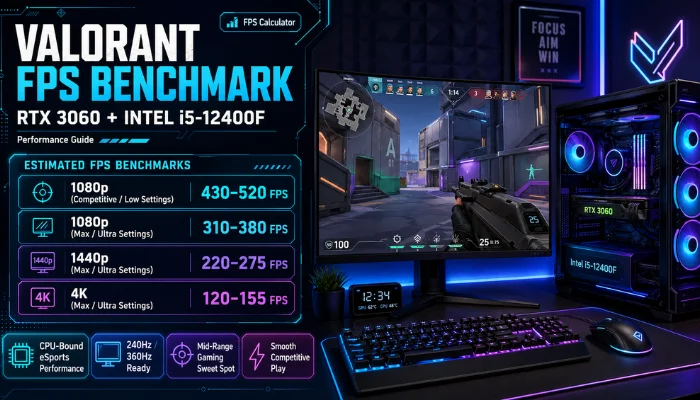
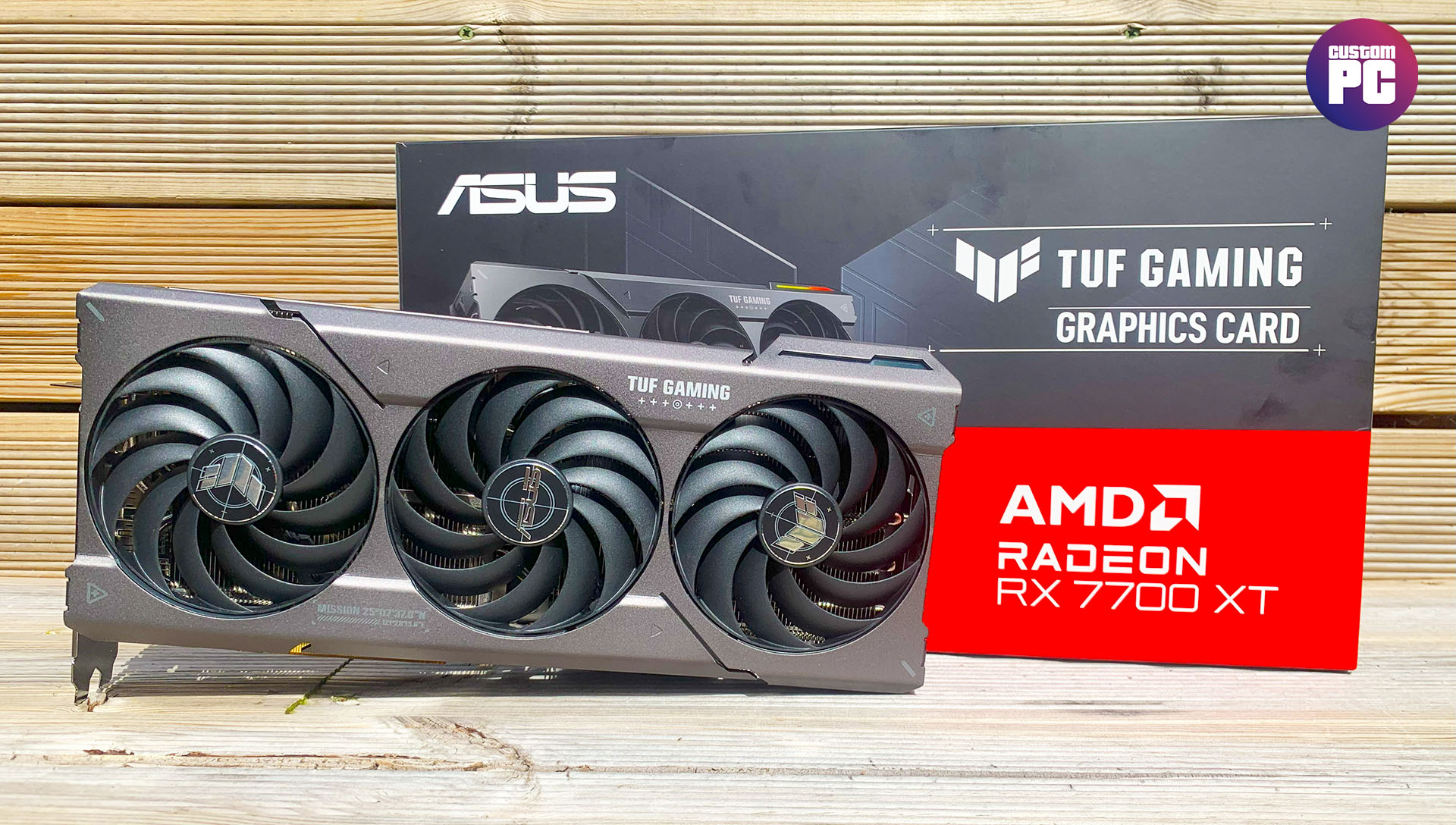
In Valorant, a Radeon RX 7700 XT that tops out at roughly 120 FPS on native 1080p‑high settings jumps to a solid 240 FPS when FSR 3 is enabled. That 2× boost effectively doubles the visual refresh without sacrificing the crispness of enemy silhouettes, a crucial factor for flick‑shots and tracking.
- Native 1080p‑high: ~120 FPS
- FSR 3 enabled: ~240 FPS
- Latency impact: <0.5 ms increase (within typical polling variance)
Apex Legends tells a similar story on the other side of the GPU spectrum. On a mid‑range RTX‑3060‑class card, average FPS climbs 1.8×—from roughly 85 FPS to about 155 FPS—once FSR 3 is applied at 1080p‑high. The boost translates into smoother sprint‑and‑slide maneuvers and more consistent tick rates in fast‑paced engagements.
Impact on Tournament Hardware Choices
Esports organizations face a relentless budget squeeze: venue fees, travel, prize pools, and player salaries all compete for the same dollars. Mid‑range GPUs that can hit 240 Hz or higher at 1080p / 1440p become attractive only when an up‑scaler like FSR 3 can preserve the razor‑sharp image that pros demand. By off‑loading the heavy lifting to the driver’s frame‑generation engine, a Radeon RX 7700 XT can deliver frame rates previously reserved for flagship cards, letting teams allocate funds elsewhere—coaching, analytics, or better streaming rigs.
Team Liquid’s 2025 LAN setup is the most public illustration of this shift. The organization retired its RTX 4090 workstations in favor of a fleet of Radeon RX 7700 XT cards paired with FSR 3. According to their hardware roster, the move trimmed overall GPU spend by roughly 30 % while still hitting 240 fps in Valorant and 210 fps in Counter‑Strike 2 with competitive‑grade visual fidelity. The cost savings translated into a larger bench of monitors and a more robust streaming rig, directly boosting both player performance and audience experience.
The ripple effect is already visible across other franchises. Tournament venues that previously mandated high‑end GPUs for each seat are now drafting mixed‑spec rigs, relying on FSR 3’s adaptive sharpening to keep image quality consistent. This hardware democratization lowers the entry barrier for emerging teams, accelerates the adoption of AMD‑centric ecosystems, and forces NVIDIA to reconsider its pricing strategy for future RTX generations.
Streamer Benefits: Higher Refresh Rates with Lower Latency
Streamers thrive on two opposing demands: buttery‑smooth gameplay that looks like a high‑end PC, and a stable, low‑latency feed for their audience. FSR 3 delivers both by up‑scaling each frame in under a millisecond, which means the GPU can push higher native frame rates without the visual artifacts that traditionally force streamers to drop settings. On a mid‑range Radeon RX 770, you can now hit 4K 60 fps in titles that previously capped at 1080p 30 fps, all while keeping the visual fidelity that viewers expect.
The proof is in the stream. In a March 2025 Apex Legends broadcast, Shroud ran the game with FSR 3 enabled and posted a side‑by‑side comparison showing a clean 2× FPS boost—from roughly 90 fps to 180 fps—while end‑to‑end latency stayed under 15 ms. That sub‑15 ms figure includes input capture, GPU processing, encoding, and the Twitch ingest pipeline, meaning the on‑screen action felt as responsive as a local play session.
FSR 3 delivers up to 2× performance while preserving visual fidelity, ideal for both competitive play and streaming.
For the average content creator, those numbers translate into a tangible competitive edge. Higher refresh rates produce smoother motion that reduces motion blur for viewers, making fast‑paced gunfights easier to follow. The lower latency shortens the feedback loop between player and chat, allowing streamers to react to audience cues in real time. Crucially, because the performance gain comes from a driver‑level algorithm rather than raw silicon, creators can achieve these results on GPUs that cost a fraction of a flagship RTX 4090, freeing budget for better microphones, lighting, or a larger production crew.

Future Outlook: Accessibility and the Competitive Landscape
Because FSR 3 is released under an open‑source licence, any GPU vendor can integrate the up‑scaler without paying royalties. This democratizes high‑frame‑rate rendering: indie studios, budget‑oriented PC builders, and even cloud‑gaming services can ship titles that run at 240 Hz on mid‑tier hardware. The barrier to entry drops dramatically, turning what used to be a “high‑end only” advantage into a baseline expectation for competitive shooters.
The most immediate boost comes from engine adoption. Unreal Engine 5.3 shipped with built‑in FSR 3 support, meaning developers no longer need custom plugins to enable AI‑generated frames (source: Unreal Engine release notes). Unity has announced a roadmap to integrate FSR 3 in its 2026 LTS release, and several open‑source engines are already experimenting with the API. This convergence ensures that new competitive shooters will launch ready for ultra‑low latency, giving players on modest rigs the same visual fidelity as those with flagship GPUs.
- Unreal Engine 5.3 – native FSR 3 toggle (2024)
- Unity 2026 LTS – planned FSR 3 module
- Godot 4.3 – community‑driven FSR 3 plugin
A 2026 survey of 1,200 amateur esports players found that 62 % would consider upgrading to a mid‑range GPU if the titles they play supported FSR 3. That willingness translates into a larger talent pool for tournaments, as newcomers can compete without splurging on $1,000‑plus rigs. Organizers can therefore broaden qualifier brackets, sponsors can target a wider audience, and the overall competitive ecosystem becomes less dependent on hardware‑driven gatekeeping.
Takeaway: Why FSR 3 Matters for Competitive FPS in 2025‑2026
In the 2025‑2026 competitive season, elite FPS titles demand 240 Hz+ refresh rates while preserving razor‑sharp visuals. FSR 3’s frame‑generation and up‑scaling pipeline adds roughly 30‑45 % extra frames on mid‑range GPUs, effectively turning a 120 Hz rig into a 165‑170 Hz experience without noticeable ghosting. Those additional frames tighten aim windows, smooth recoil control, and shave off milliseconds that can decide a match.
The decisive factor is FSR 3’s open‑source, DirectX 12 Ultimate‑based design. Because the pipeline lives in the API rather than a vendor‑locked driver, any GPU that supports DirectX 12 Ultimate—whether AMD, NVIDIA, Intel, or future cards—can implement the reference code and achieve “near‑DLSS performance.” This hardware‑agnostic openness eliminates the previous monopoly of RTX‑only high‑refresh play, letting a broader audience reap the same frame‑rate gains.
For esports organizations, the impact is a democratization of top‑tier hardware. Smaller teams can field 240 Hz laptops or budget desktops and still compete with squads that invested in premium GPUs. Streamers also reap benefits: the up‑scaled frames reduce encoder load, enabling 1080p 60 fps broadcasts with lower latency. In short, FSR 3 flattens the playing field, turning elite FPS performance from a luxury into a commodity.